



What Does a Home Care Nurse Do?
What does a home care nurse do? In Palm Beach County and throughout Florida’s coastal communities, a home care nurse provides skilled, personalized medical care directly in a patient’s home. From wound care and medication management to chronic disease monitoring and post-surgical recovery support, home health nurses deliver clinical expertise while allowing patients to remain in the comfort and dignity of their own homes.
At Synchrony Home Health Care, serving Palm Beach County, Martin County, and St. Lucie County, in-home nursing roles are designed to combine hospital-level clinical precision with compassionate, one-on-one care. Families in Palm Beach, Jupiter Island, Palm Beach Gardens, Stuart, and Sewall’s Point increasingly choose home health care services to support aging loved ones, manage complex health conditions, and ensure continuity of care outside of institutional settings.
This guide provides a comprehensive explanation of home care nurse duties, the types of in-home nursing roles available, and what nursing home care explained truly means when delivered in a private home environment.
Key Takeaways
- A home care nurse provides skilled nursing care in a patient’s home, including wound care, medication administration, chronic disease management, and post-operative support.
- Home health nurses work independently but collaborate with physicians, therapists, and family caregivers.
- In-home nursing roles range from registered nurses (RNs) to licensed practical nurses (LPNs) and advanced practice registered nurses (APRNs).
- Personalized care plans are developed to support each patient’s unique health status and goals.
- Home health care allows seniors and medically complex patients to receive ongoing care while maintaining comfort, safety, and dignity.
What Is a Home Care Nurse?
A home care nurse is a licensed medical professional who provides clinical nursing care to patients in their homes rather than in a hospital or facility. Home health nurses assess health status, administer medications, perform wound care, monitor chronic conditions, coordinate with physicians, and create personalized care plans to ensure safe, effective medical care in a home setting.
Unlike non-medical caregivers or personal care aides, home care nurses provide skilled nursing services that require formal licensure, clinical judgment, and adherence to medical protocols. Their role blends advanced clinical knowledge with personalized, one-on-one patient care.
Home Care Nurse Duties Explained
When families ask, “What does a home care nurse do?” they often envision basic assistance. In reality, home care nurse duties are extensive and clinically sophisticated.
1. Comprehensive Health Assessments
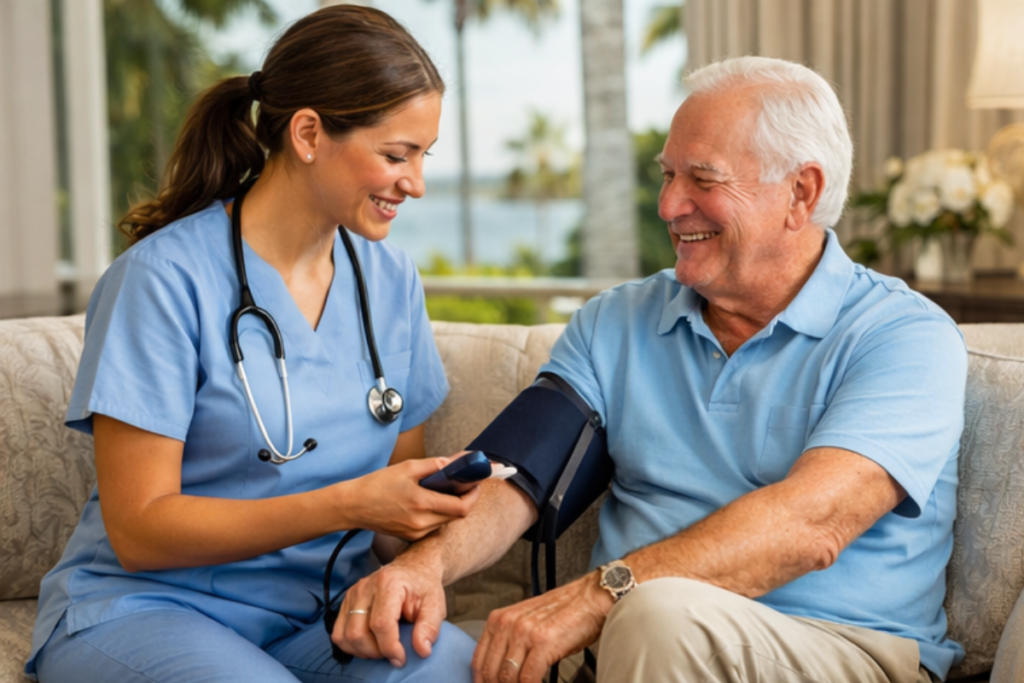
Home health nurses evaluate a patient’s overall health status during each visit. This includes vital signs monitoring, reviewing symptoms, assessing mobility, evaluating medication effectiveness, and identifying potential complications early. Ongoing assessment ensures proactive medical intervention.
2. Medication Management
Home care nurses provide medication administration, reconciliation, and education. They ensure proper dosing schedules, monitor for side effects, and communicate changes to the health care provider when necessary. For patients with multiple prescriptions, this oversight significantly reduces medication errors.
3. Wound Care and Post-Surgical Recovery
Skilled nursing care often includes advanced wound care management for surgical incisions, pressure injuries, diabetic ulcers, or trauma wounds. Home health nurses follow physician-directed treatment plans while promoting healing and preventing infection.
4. Chronic Disease Management
Many home health nurses provide ongoing care for patients managing heart disease, diabetes, COPD, stroke recovery, or neurological conditions. Nurses provide education, symptom tracking, and early detection of exacerbations, helping prevent unnecessary hospitalizations.
5. IV Therapy and Specialized Clinical Services
In-home nurses may administer IV medications, manage feeding tubes, provide catheter care, and oversee complex medical equipment in the home environment.
6. Care Plan Development
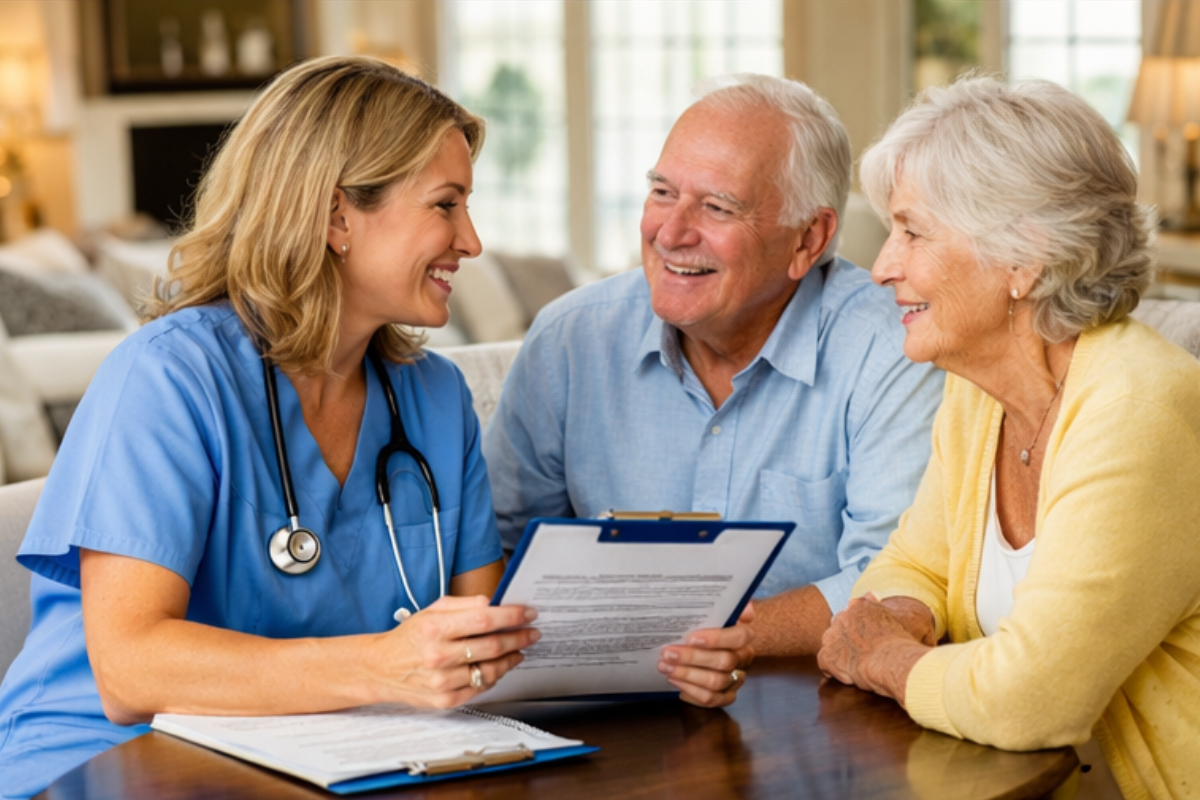
A critical part of in-home nursing roles involves developing and updating a personalized care plan. This includes coordination with physicians, therapists, and family members to ensure comprehensive home healthcare services.
Skilled Nursing vs. Non-Medical Home Care: Nursing Home Care Explained
Understanding the distinction between skilled nursing and non-medical home care is essential when evaluating care services.
Skilled Nursing Care
Skilled nursing care is delivered by a registered nurse, licensed practical nurse, or advanced practice registered nurse. It involves medical care such as injections, wound care, health monitoring, and clinical assessments.
Non-Medical Personal Care
Non-medical caregivers and home health aides assist with personal care, meal preparation, companionship, light housekeeping, and mobility support. While invaluable, they do not provide medical care.
Home health agencies often coordinate both services to ensure a comprehensive level of care tailored to the patient’s needs.
Types of In-Home Nursing Roles
Home health nurses work in various capacities depending on their licensure, education, and specialization.
Registered Nurse (RN)
A registered nurse oversees assessments, develops care plans, administers medications, and supervises other care providers. Many organizations prefer that home health nurses hold RN licensure due to the complexity of patient care in the home.
Licensed Practical Nurse (LPN) / Licensed Vocational Nurse (LVN)
Licensed practical nurses provide hands-on skilled nursing under the supervision of an RN or physician. They may assist with wound care, injections, and routine health monitoring.
Advanced Practice Registered Nurse (APRN)
APRNs, including nurse practitioners and clinical nurse specialists, may provide advanced diagnostics, prescribe medications, and manage complex health conditions within their scope of practice.
Each role plays a critical part in delivering personalized, compassionate care within patients’ homes.
What Happens During a Home Health Nurse Visit?
A home health nurse visit is structured, clinical, and highly individualized. While each patient’s care plan differs, home health nurses follow a consistent framework to ensure safe and effective patient care in the home.
Initial Assessment Visit
During the first visit, the home health nurse conducts a comprehensive assessment of the patient’s health status. This includes reviewing medical history, current diagnoses, medications, recent hospitalizations, and physician orders. The nurse evaluates mobility, cognitive function, pain levels, nutrition, skin integrity, and safety risks within the home environment.
This visit often lasts longer than routine visits because it involves creating or refining a personalized care plan. The nurse collaborates with the referring health care provider and may coordinate with therapists or home health aides.
Ongoing Skilled Nursing Visits
Subsequent visits focus on ongoing care and monitoring. Depending on the patient’s needs, the nurse might:
- Monitor blood pressure, oxygen levels, and heart rate
- Administer injections or IV medications
- Provide wound care and dressing changes
- Assess surgical incisions
- Review medication compliance
- Provide education to family caregivers
Home health nurses work independently while maintaining communication with physicians and care teams. If changes in health conditions occur, the nurse promptly reports findings and adjusts the care plan as directed.
Education and Empowerment
One of the most important in-home nursing roles involves patient and family education. Nurses provide instruction on managing chronic illnesses, recognizing warning signs, using medical equipment, and preventing complications. This education empowers patients to manage their health more confidently and reduces hospital readmissions.
Health Conditions Commonly Managed by Home Health Nurses
Home health nurses provide medical care to people managing a wide range of health conditions. In Palm Beach County, Martin County, and St. Lucie County, many families rely on skilled nursing care to support aging loved ones and individuals recovering from acute medical events.
Post-Surgical Recovery
After orthopedic procedures, cardiac surgeries, or abdominal operations, patients often require wound care, medication monitoring, and mobility support. A home health nurse ensures proper healing and identifies early signs of infection or complications.
Cardiovascular Disease
Patients with heart failure, hypertension, or arrhythmias benefit from regular monitoring. Nurses assess fluid retention, blood pressure trends, and medication effectiveness while reinforcing lifestyle recommendations.
Diabetes Management
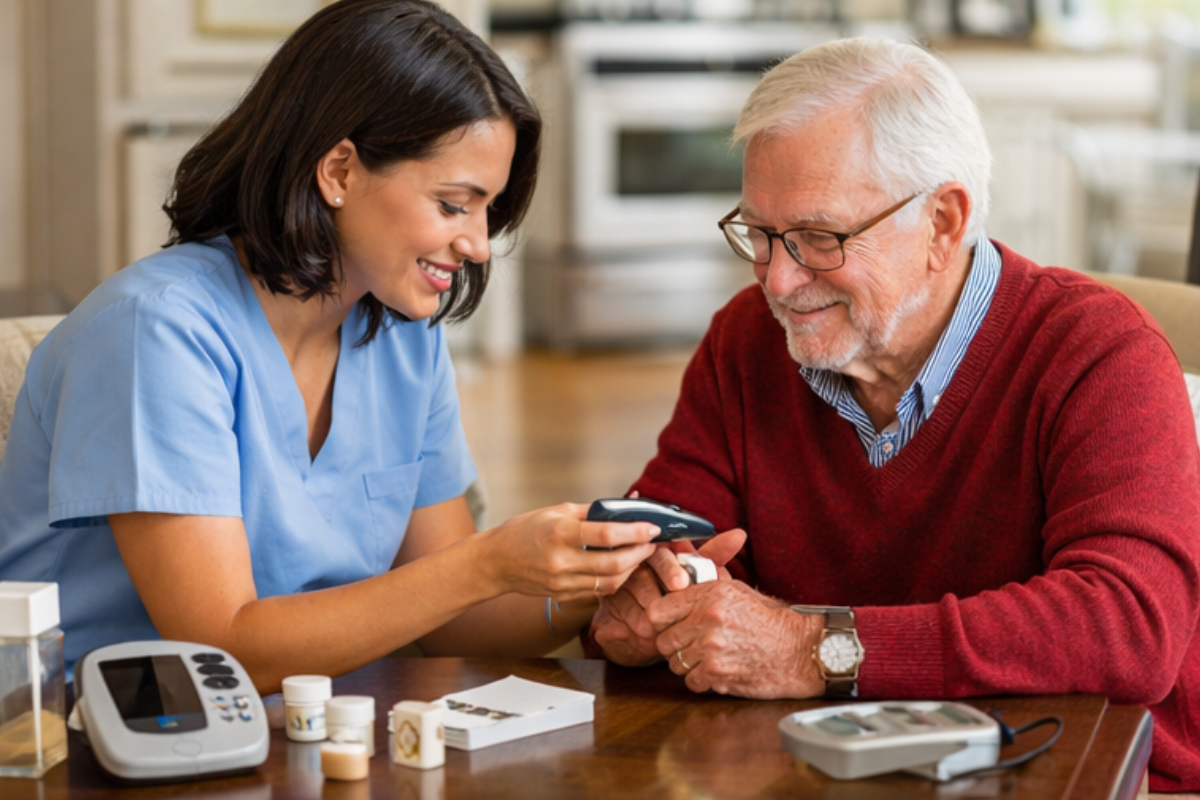
Home care nurses provide blood glucose monitoring education, insulin administration support, dietary guidance, and foot care assessments to prevent complications.
Chronic Obstructive Pulmonary Disease (COPD)
For patients with respiratory conditions, nurses monitor oxygen saturation, assess breathing patterns, and provide inhaler education to maintain stability in the home setting.
Neurological Conditions
Stroke recovery, Parkinson’s disease, and other neurological conditions often require skilled nursing oversight to monitor mobility, swallowing safety, cognitive changes, and medication regimens.
End-of-Life and Palliative Support
Home health nurses may also provide comfort-focused care in collaboration with physicians and hospice teams. Families seeking guidance on providing care and comfort at the end of life can reference resources from the National Institute on Aging: Providing Care and Comfort at the End of Life.
In all scenarios, the level of care is determined by physician orders, patient needs, and clinical assessments.
How Home Care Nurses Create a Personalized Care Plan
Personalized care is the foundation of effective home healthcare services. A home health nurse does not deliver generic treatment; instead, they create a customized care plan based on medical necessity and patient goals.
Step 1: Comprehensive Clinical Evaluation
The nurse gathers detailed medical information, including current diagnoses, medications, allergies, and functional abilities. They evaluate the home environment to ensure safety and accessibility.
Step 2: Collaboration with Physicians
Home health nurses work closely with physicians to align nursing interventions with medical orders. Any changes in condition are promptly communicated to maintain continuity of care.
Step 3: Establishing Measurable Goals
Goals may include wound healing progression, blood pressure stabilization, improved mobility, pain management, or enhanced medication compliance.
Step 4: Ongoing Evaluation and Adjustment
Care plans are dynamic. Home health nurses are also responsible for reassessing progress and modifying interventions as needed to achieve optimal outcomes.
This structured approach ensures high-quality, compassionate care while preserving patient independence in the home environment.
Where Home Health Nurses Work in Palm Beach, Martin & St. Lucie Counties
Home health nurses work in private residences, luxury condominiums, waterfront estates, independent living communities, and assisted living settings throughout South Florida’s coastal communities.
At Synchrony Home Health Care, services extend across:
- Palm Beach
- Jupiter Island
- Palm Beach Gardens
- Stuart
- Sewall’s Point
- Broader Palm Beach County
- Martin County
- St. Lucie County
Working in a home requires adaptability. Unlike hospitals, every home setting is unique. Home health nurses must assess environmental safety, identify fall risks, and ensure medical equipment is properly positioned.
The demand for home care continues to rise as more families prefer receiving medical care in the privacy and comfort of their own residences rather than institutional facilities.
Benefits of One-on-One Nursing Care at Home
When families ask, “What does a home care nurse do?” they are often equally interested in understanding the benefits of in-home nursing roles compared to facility-based care. The difference is not just location—it is the depth of personalized attention and continuity.
1. Individualized Attention
Unlike hospitals or skilled nursing facilities where nurses manage multiple patients simultaneously, home care nurses provide one-on-one care. This individualized approach allows for detailed health monitoring, immediate response to subtle changes, and a stronger therapeutic relationship.
2. Comfort and Familiarity
Receiving nursing care in a home environment promotes emotional well-being. Familiar surroundings reduce stress, particularly for seniors managing cognitive decline or chronic illness.
3. Reduced Hospital Readmissions
Home health nurses provide proactive monitoring that can detect complications early. Medication reconciliation, wound oversight, and chronic disease management significantly reduce the likelihood of preventable hospitalizations.
4. Family Involvement
Home healthcare services allow family members to participate in care planning. Nurses educate loved ones, ensuring continuity between visits and improving overall patient outcomes.
5. Enhanced Safety in the Home Setting
Home health nurses assess fall risks, review equipment safety, and recommend modifications that improve mobility and independence. This level of environmental awareness is not possible in institutional settings.
For affluent coastal communities in Palm Beach County and Martin County, concierge-level home health care offers privacy, discretion, and clinical excellence tailored to each household’s preferences.
Home Health Nurse Job Description & Career Path
For those considering working in home health, understanding the home health nurse job description is essential. This nursing career path blends autonomy, clinical expertise, and meaningful patient relationships.
Educational Requirements
To become a registered nurse (RN), individuals must complete an accredited nursing program and pass the NCLEX-RN examination. Some employers hire home health nurses with an Associate Degree in Nursing (ADN), though many healthcare organizations prefer that home health nurses hold a Bachelor of Science in Nursing (BSN).
Advanced practice registered nurses (APRNs) must complete graduate-level education, often earning a Master of Science in Nursing (MSN), and obtain national certification.
Licensure and Experience
Home health agencies often require prior clinical experience in hospital or acute care settings. Because home health nurses work independently, strong assessment and decision-making skills are critical.
Key Skills for Working in Home Health
- Clinical autonomy and critical thinking
- Compassionate communication
- Time management
- Adaptability to diverse home environments
- Care coordination skills
Home Health Nurse Salary & Demand
The demand for home care continues to grow nationwide due to an aging population and preference for aging in place. Employers hire home health nurses at increasing rates to meet this expanding need.
Home health nurse salary varies by region, experience, and specialization. In South Florida, competitive compensation reflects the high demand for skilled nursing care and the specialized nature of in-home medical services.
Many home health nurses describe the role as professionally fulfilling due to the meaningful relationships developed with patients over time.
Frequently Asked Questions: What Does a Home Care Nurse Do in Palm Beach County?
1. What does a home care nurse do on a daily basis?
A home care nurse provides medical care in a patient’s home, including medication administration, wound care, chronic disease monitoring, health assessments, and patient education.
2. Is a home health nurse the same as a home health aide?
No. A home health nurse is a licensed medical professional who provides skilled nursing care. A home health aide assists with personal care tasks such as bathing, dressing, and meal preparation but does not provide clinical services.
3. How often does a home health nurse visit?
Visit frequency depends on physician orders and the patient’s health status. Some patients require multiple weekly visits, while others may need intermittent skilled nursing support.
4. Can a home care nurse manage complex medical conditions?
Yes. Home health nurses provide care for patients with heart disease, diabetes, COPD, neurological conditions, post-surgical recovery needs, and more.
5. Do home health nurses coordinate with doctors?
Absolutely. Nurses communicate regularly with physicians and other health care providers to update care plans and report changes in condition.
6. Is home health care appropriate for seniors aging in place?
Yes. Skilled nursing services allow seniors to manage their health safely while remaining in their homes throughout Palm Beach County and surrounding areas.
What Does a Home Care Nurse Do? Experience Concierge Home Health Care in Palm Beach County
If you are exploring what a home care nurse does for a loved one in Palm Beach County, Martin County, or St. Lucie County, Synchrony Home Health Care provides personalized, skilled nursing care tailored to your family’s needs.
Our home care nurses provide comprehensive in-home medical services, including wound care, medication management, chronic disease oversight, and post-surgical recovery support—all delivered with discretion and compassion.
Whether you reside in Palm Beach, Jupiter Island, Palm Beach Gardens, Stuart, or Sewall’s Point, our team ensures continuity of care in the comfort of your home.
Contact Synchrony Home Health Care today:
- Phone: 561.559.1555
- Email: wecare@synchronyFL.com
- Services: Explore Our Home Health Care Services
- Contact Page: Schedule a Private Consultation
Experience elevated, compassionate care designed around your lifestyle and medical needs.