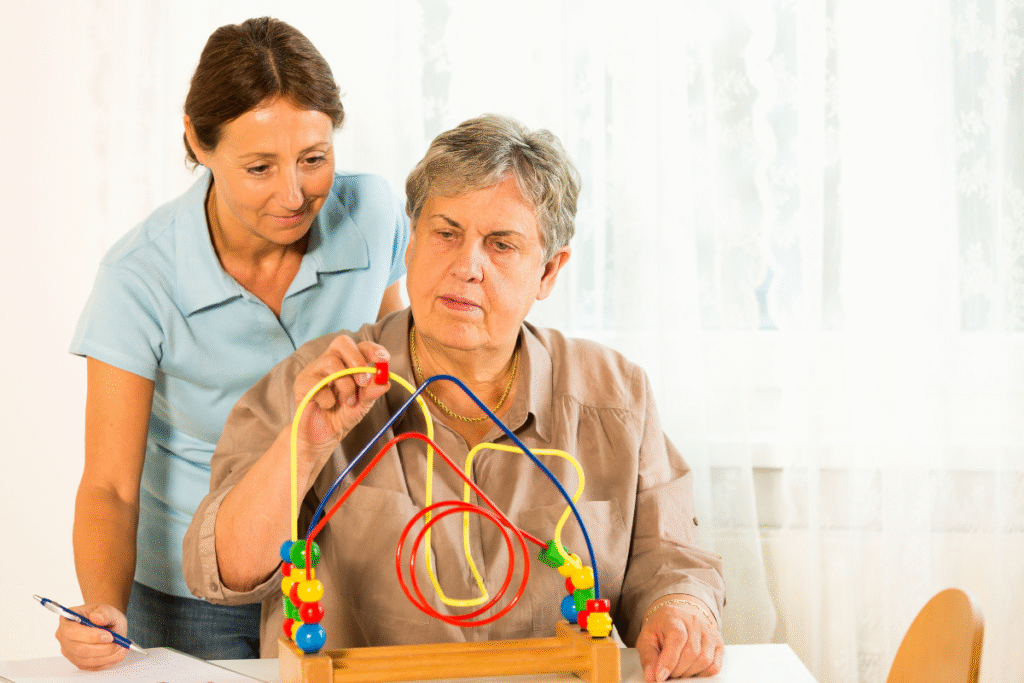





Many people dream to age in place, sometimes in their long time home. However, as they age they may face challenges that can make this goal difficult to achieve. Challenges that may arise may include a fall risk, retiring from driving and difficulty with ADLs (bathing, dressing, etc). It’s not uncommon for someone to need support with these tasks, and bringing in professional support can be crucial in helping someone stay at home safely.

Home health care can mean a wide variety of things, so it’s helpful to take some time to think about what you or your loved one’s specific needs are. Will you need physical or occupational therapy? Do you need a provider with experience managing a certain condition, such as diabetes, dementia, or Alzheimer’s; physical, occupational, and speech therapy, medical social work, companion care, nursing care? Your loved one may need assistance with one, or all of these tasks, and their needs may change overtime. Synchrony Home Care Can provide your loved one with these services and much more- now and as your loved one’s needs change.

Lots of care providers can check the basic boxes of being able to administer medications or assist with daily tasks. What makes Synchrony’s high-quality care stand out is the staff’s ability to connect with their patients on a human level, and to demonstrate high levels of empathy and strong communication skills. Not only will your loved one’s physical needs be met and their safety be ensured, but they will also benefit from increased socialization and engagement. A great provider knows how to cultivate a compassionate and trusting relationship, which is just as important as providing quality medical care.

Our staff are well versed on the importance of positive and clear communication, understanding (and participating in) our patients’ interests, hobbies, and how they love to spend their day. (singing, playing bridge or chess, cooking, beauty tips, sharing stories about friends and family, nature and gardening, automotive interests - to name a few).

Home care can also come into play to offer respite for a primary caregiver. Caring for the caregiver is crucial in maintaining endurance in the caregiver journey. Professional home care can not only assist with your loved one’s physical needs, but allow the caregiver to take needed time for themselves, knowing that their loved one is safe and well taken care of. Implementing home care for respite can further extend the length of time an individual is able to live at home safely.

While professional home care can be a transition for all parties, it is frequently a necessary puzzle piece in supporting an older adult, safely at home. Synchrony Home Care aims to be there for you and your loved one to meet your aging goals, at home.

Relocating to Florida is a popular choice for those who are transitioning into receiving home health care, and it’s easy to see why. Mild winters, affordable housing, and no state income tax (including on retirement income) are just some of the reasons people choose to move to the Sunshine State for this stage of their lives.

If you have decided to move yourself or a loved one to Florida, and are in need of home health care services, the next step is finding the right agency. Relocating can be a stressful experience just in itself, and selecting an home health care provided beforehand will bring peace of mind and make the transition that much smoother. Just imagine how great it will feel when you settle into your new place, knowing your home health care provider has been with you every step of the way, and anticipating your arrival. Read on for some tips to keep in mind as you start your search.

Here at Synchrony, we pride ourselves on positive client interactions and making sure that prospective patients get all the information they request - but not every agency provides such a smooth onboarding process. Look out for red flags such as providers being dodgy when you ask questions or pressuring you to make commitments quickly. Choosing a home health care agency is a big decision, and you should do so on a timeline that makes sense for you, armed with all the information you need.

Lots of care providers can check the basic boxes of being able to administer medications or assist with daily tasks. What makes Synchrony’s high-quality care stand out is the staff’s ability to connect with their patients on a human level, and to demonstrate high levels of empathy and strong communication skills. A great provider knows how to cultivate a compassionate and trusting relationship, which is just as important as providing quality medical care. Our staff are well versed on the importance of positive and clear communication, understanding (and participating in) our patients’ interests, hobbies, and how they love to spend their day. (singing, playing bridge or chess, cooking, beauty tips, sharing stories about friends and family, nature and gardening, automotive interests - to name a few).

Identify you or your loved one’s needs

Home health care can mean a wide variety of things, so it’s helpful to take some time to think about what you or your loved one’s specific needs are. Will you need physical or occupational therapy? Do you need a provider with experience managing a certain condition, such as diabetes, dementia, or Alzheimer’s; physical, occupational, and speech therapy, medical social work, companion care, nursing care? Synchrony Home Health Care provides these services, and much more.

Once you understand the needs you would like a provider to meet, you will be in a better position to start your search. Some agencies only provide certain services, and a cursory search of their website could inform you that the scope of their work is too narrow for your requirements. Synchrony Home Health Care, have a wealth of experience providing many different types of care, and can personalize a plan to meet your specific needs.

Setting up an initial free consultation

After reflecting on your home health care needs, you should reach out via phone or email to schedule an initial free consultation. This first conversation is an opportunity to communicate your needs and ask any questions you may have. Synchrony staff will treat you like a priority from this point of contact onwards, not just when care begins.

This consultation is also a chance to hear directly from our staff about the scope of services we provide and our experience within different domains. At Synchrony, we offer a wide range of care, including physical, occupational, and speech therapy, medical social work, companion care, nursing care, and more. We also understand every patient’s needs are unique, so great care is taken to create individualized plans to help patients meet their short-term and long-term goals.

It likely will take a few conversations to iron out all the details of your home health care. We may ask you to obtain some information from your physician, and you will probably think of more questions as you get further along in the process of planning for relocation. We will be with you every step of the way as you navigate what can feel like a daunting process.

Go with your gut

At the end of the day, finding the right home health care provider is about finding good people. Your intuition, or that “gut feeling”, can help with this. How do you feel when speaking with the staff? Is there kindness, respect, and attentiveness in all your interactions?

Synchrony knows how critical this piece is, which is why there is a stringent selection process for our staff and an emphasis on comprehensive training. Synchrony staff understands patients to be whole, multi-faceted people, and alongside providing medical care, supports patients in cultivating their hobbies and interests.

Ready to explore home health care with Synchrony? Give us a call at (561) 559-1555 or email us at wecare@synchronyFL.com for a consultation. We care.
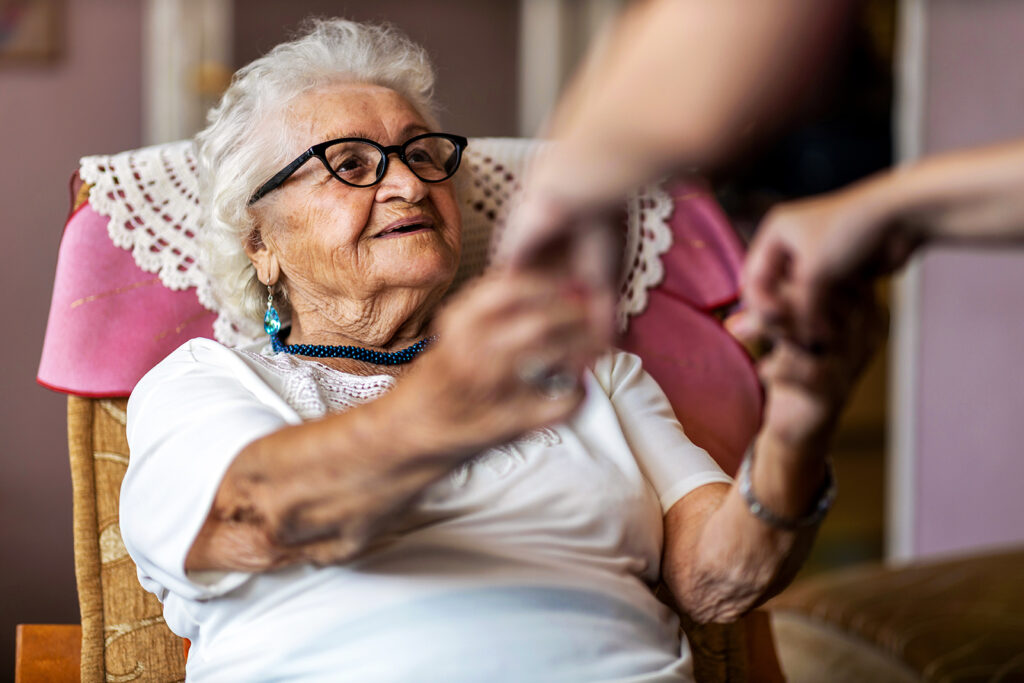
Home health care can mean a wide variety of things, so it’s helpful to take some time to think about what you or your loved one’s specific needs are. Companion care encompassess a variety of services- socialization and emotional support, transportation, homemaking and more. Companion care may be introduced for a variety of reasons- a long distance caregiver, a dementia diagnosis, or social isolation.

A long distance caregiver may opt to hire a companion to add to their support team, and offer their loved one safety and support at home. Having the peace of mind that your loved one has all their basic needs met, plus socialization and engagement can make all the difference for a caregiver who may be providing support at a distance.

In the circumstance of a dementia diagnosis, companion care may be used to help ease the transition of allowing others to be involved in care. As dementia progresses, your loved one’s needs may be more extensive and initially your loved one with a dementia diagnosis may be apprehensive of having others involved in their care. Companion care can allow your loved one to build rapport with someone else. Not only can it assist in the transition for the person living with dementia, but it can help the caregiver also become familiar with the idea of someone else being involved in their loved one’s care. This can be an emotional transition, and finding care providers that you can trust is crucial.

Lots of care providers can check the basic boxes of being able to administer medications or assist with daily tasks. What makes Synchrony’s high-quality care stand out is the staff’s ability to connect with their patients on a human level, and to demonstrate high levels of empathy and strong communication skills. A great provider knows how to cultivate a compassionate and trusting relationship, which is just as important as providing quality medical care.It’s important to consider what activities or conversation topics may help connect your loved one to their companion. Our staff are well versed on the importance of positive and clear communication, understanding (and participating in) our patients’ interests, hobbies, and how they love to spend their day. (singing, playing bridge or chess, cooking, beauty tips, sharing stories about friends and family, nature and gardening, automotive interests - to name a few).

Companion care can assist your loved one in making the most of their residence, and can fill in any gaps that might exist within the residence- for example ensuring that your loved one is attending programs.

As your loved one’s needs change, Synchrony Home Health Care will be there for you. Whether you need a provider with experience managing a certain condition, such as diabetes, dementia, or Alzheimer’s; physical, occupational, and speech therapy, medical social work, companion care, nursing care- Synchrony Home Health Care provides these services, and much more.


Looking for Home Health Care you can trust?

Fill out the form below and one of our Care Professionals will contact you shortly.

MAP & DIRECTIONS

8461 Lake Worth Rd. #133 Lake Worth, FL 33467

CALL US: 561.559.1555

COMPLIMENTARY IN-HOME CONSULTATION
Why More Families in South Florida Are Choosing Home Care Over Nursing Homes

Why More Families in South Florida Are Choosing Home Care Over Nursing Homes

Why More Families in South Florida Are Choosing Home Care Over Nursing Homes Families in South Florida are increasingly choosing home care over nursing homes for their elderly loved ones. This shift reflects not just a change in preferences, but a broader reevaluation of how we approach long-term care and aging in place. With a rising senior population and growing awareness of personalized care options, more families are finding that in-home care offers better emotional support, flexibility, and often, more cost-effective solutions compared to traditional nursing facilities. Home health care services now provide many of the same medical and personal care functions once thought exclusive to nursing homes — all within the comfort of one’s own home. This article explores why families in South Florida are choosing home care over nursing homes, how it compares in terms of cost and quality, and what you should know when making this important decision. From understanding demographic trends to reviewing skilled services now available at home, we’ll provide insights backed by data and trusted resources. Let’s examine why home care is becoming the preferred choice for long-term care in South Florida — and what it means for your family’s future care planning. Key Takeaways Home care offers a personalized, comfortable alternative to traditional nursing home care. South Florida’s aging population is driving demand for flexible, in-home services. Many skilled nursing and medical care services are now available at home. Families often find home care more affordable and emotionally supportive than institutional care. Choosing a trusted home health provider like Synchrony Home Health Care ensures high-quality, licensed support tailored to each individual’s needs. Demographic Shifts in South Florida’s Aging Population South Florida is experiencing a significant demographic transformation. According to recent U.S. Census data, the population aged 65 and older nationwide grew by 3.1% to 61.2 million between 2023 and 2024. Florida leads the nation in its share of older residents — nearly 21.7% of the state’s inhabitants are 65 or older. In absolute terms, Florida has more than 5.5 million residents aged 60+ — a number projected to climb to approximately 8.4 million, or over 30% of the state’s population, by 2045. South Florida’s coastal counties (like Palm Beach and St. Lucie) mirror this trend, each with around 20–24% aged 65+. This rise is driven by both migration and an aging native population. Census estimates show Florida added nearly 467,000 new residents in 2024, many of whom were retirees aged 60‑69. Meanwhile, nearly 900 people per day move to the state, a substantial share being older adults. These demographic shifts are having wide-reaching impacts. With fewer younger adults and more seniors, demand for long‑term care solutions tailored to those seeking to remain in their own homes is surging. Home health care has become an essential part of South Florida’s planning to cope with a growing senior population. Key Reasons Families Prefer Home Care Over Nursing Homes For many families in South Florida, the choice to pursue home care over nursing homes isn’t just about affordability — it’s about dignity, comfort, and personal connection. In-home care offers a level of flexibility and familiarity that institutional settings often cannot replicate. 1. Comfort and Emotional Well-Being Remaining at home allows seniors to stay in familiar surroundings, surrounded by personal belongings and close to loved ones. This familiar environment can significantly reduce stress, confusion, and feelings of isolation — especially for those with cognitive decline or chronic illnesses. 2. Personalized and Flexible Care Plans Unlike standardized routines in long-term care facilities, home care can be tailored to match a senior’s schedule, preferences, and health needs. Whether it’s help with daily living, medication reminders, or skilled nursing care, families can create a customized care plan that evolves with the individual’s condition. 3. Greater Family Involvement Home care encourages active participation from family members, enhancing emotional support and communication. Loved ones can monitor care delivery more closely and participate in decision-making. 4. Infection Control and Safety Especially in the post-pandemic era, many families prefer the safety of home environments. Nursing homes, due to their congregate settings, are more susceptible to outbreaks. At home, seniors have reduced exposure to communal risks and enjoy a safer, cleaner space. 5. Access to Skilled Services at Home Modern home health care services now include wound care, physical therapy, IV therapy, and more. This level of skilled nursing once required a facility, but now it’s often delivered directly to the patient’s door. For these reasons, it’s no surprise that families in South Florida are choosing home care over nursing homes more than ever. With a local provider like Synchrony Home Health Care, families can confidently support aging loved ones without sacrificing quality or peace of mind. Comparing Costs: Home Care vs. Nursing Home Expenses One of the most significant considerations for South Florida families is cost. Nationally in 2025, the median cost for a private room in a nursing home is approximately $10,965 per month (about $361/day) and about $9,555/month for a semi-private room. In Florida, private pay nursing home residents pay around $349.96 per day — or roughly $10,500/month. By contrast, non-medical in-home care averages $33/hour nationwide, with Florida rates near $30/hour. A Place for Mom reports that the median monthly cost for full-time home care is about $5,720, compared to $8,669–$9,733 for nursing home care. In Florida specifically, home healthcare costs average around $5,044/month ($60,036 annually), while nursing home care averages $10,421/month ($124,036 annually). That means families may save nearly half on monthly expenses by opting for home care when needs are not around‑the‑clock. However, full-time 24-hour home care can exceed $290,000 annually — potentially surpassing nursing home costs. It’s vital to assess needs accurately: part-time or intermittent care tends to be much more affordable, while live‑in care becomes pricier. Insurance and Payment Options: Long-term care insurance can help cover both home and nursing home costs. Medicare generally covers only short-term skilled nursing stays post-hospitalization, rather than ongoing custodial care. Medicaid may assist with nursing home expenses for low-income seniors, but

Why More Families in South Florida Are Choosing Home Care Over Nursing Homes Read More »

Why More Families in South Florida Are Choosing Home Care Over Nursing Homes

Families in South Florida are increasingly choosing home care over nursing homes for their elderly loved ones. This shift reflects not just a change in preferences, but a broader reevaluation of how we approach long-term care and aging in place.

With a rising senior population and growing awareness of personalized care options, more families are finding that in-home care offers better emotional support, flexibility, and often, more cost-effective solutions compared to traditional nursing facilities. Home health care services now provide many of the same medical and personal care functions once thought exclusive to nursing homes — all within the comfort of one’s own home.

This article explores why families in South Florida are choosing home care over nursing homes, how it compares in terms of cost and quality, and what you should know when making this important decision. From understanding demographic trends to reviewing skilled services now available at home, we’ll provide insights backed by data and trusted resources.

Let’s examine why home care is becoming the preferred choice for long-term care in South Florida — and what it means for your family’s future care planning.

Key Takeaways

  • Home care offers a personalized, comfortable alternative to traditional nursing home care.
  • South Florida’s aging population is driving demand for flexible, in-home services.
  • Many skilled nursing and medical care services are now available at home.
  • Families often find home care more affordable and emotionally supportive than institutional care.
  • Choosing a trusted home health provider like Synchrony Home Health Care ensures high-quality, licensed support tailored to each individual’s needs.

Demographic Shifts in South Florida’s Aging Population

South Florida is experiencing a significant demographic transformation. According to recent U.S. Census data, the population aged 65 and older nationwide grew by 3.1% to 61.2 million between 2023 and 2024. Florida leads the nation in its share of older residents — nearly 21.7% of the state’s inhabitants are 65 or older.

In absolute terms, Florida has more than 5.5 million residents aged 60+ — a number projected to climb to approximately 8.4 million, or over 30% of the state’s population, by 2045. South Florida’s coastal counties (like Palm Beach and St. Lucie) mirror this trend, each with around 20–24% aged 65+.

This rise is driven by both migration and an aging native population. Census estimates show Florida added nearly 467,000 new residents in 2024, many of whom were retirees aged 60‑69. Meanwhile, nearly 900 people per day move to the state, a substantial share being older adults.

These demographic shifts are having wide-reaching impacts. With fewer younger adults and more seniors, demand for long‑term care solutions tailored to those seeking to remain in their own homes is surging. Home health care has become an essential part of South Florida’s planning to cope with a growing senior population.

Key Reasons Families Prefer Home Care Over Nursing Homes

For many families in South Florida, the choice to pursue home care over nursing homes isn’t just about affordability — it’s about dignity, comfort, and personal connection. In-home care offers a level of flexibility and familiarity that institutional settings often cannot replicate.

1. Comfort and Emotional Well-Being
Remaining at home allows seniors to stay in familiar surroundings, surrounded by personal belongings and close to loved ones. This familiar environment can significantly reduce stress, confusion, and feelings of isolation — especially for those with cognitive decline or chronic illnesses.

2. Personalized and Flexible Care Plans
Unlike standardized routines in long-term care facilities, home care can be tailored to match a senior’s schedule, preferences, and health needs. Whether it’s help with daily living, medication reminders, or skilled nursing care, families can create a customized care plan that evolves with the individual’s condition.

3. Greater Family Involvement
Home care encourages active participation from family members, enhancing emotional support and communication. Loved ones can monitor care delivery more closely and participate in decision-making.

4. Infection Control and Safety
Especially in the post-pandemic era, many families prefer the safety of home environments. Nursing homes, due to their congregate settings, are more susceptible to outbreaks. At home, seniors have reduced exposure to communal risks and enjoy a safer, cleaner space.

5. Access to Skilled Services at Home
Modern home health care services now include wound care, physical therapy, IV therapy, and more. This level of skilled nursing once required a facility, but now it’s often delivered directly to the patient’s door.

For these reasons, it’s no surprise that families in South Florida are choosing home care over nursing homes more than ever. With a local provider like Synchrony Home Health Care, families can confidently support aging loved ones without sacrificing quality or peace of mind.

Comparing Costs: Home Care vs. Nursing Home Expenses

One of the most significant considerations for South Florida families is cost. Nationally in 2025, the median cost for a private room in a nursing home is approximately $10,965 per month (about $361/day) and about $9,555/month for a semi-private room. In Florida, private pay nursing home residents pay around $349.96 per day — or roughly $10,500/month.

By contrast, non-medical in-home care averages $33/hour nationwide, with Florida rates near $30/hour. A Place for Mom reports that the median monthly cost for full-time home care is about $5,720, compared to $8,669–$9,733 for nursing home care.

In Florida specifically, home healthcare costs average around $5,044/month ($60,036 annually), while nursing home care averages $10,421/month ($124,036 annually). That means families may save nearly half on monthly expenses by opting for home care when needs are not around‑the‑clock.

However, full-time 24-hour home care can exceed $290,000 annually — potentially surpassing nursing home costs. It’s vital to assess needs accurately: part-time or intermittent care tends to be much more affordable, while live‑in care becomes pricier.

Insurance and Payment Options: Long-term care insurance can help cover both home and nursing home costs. Medicare generally covers only short-term skilled nursing stays post-hospitalization, rather than ongoing custodial care. Medicaid may assist with nursing home expenses for low-income seniors, but usually does not pay for non-medical home care.

In summary, for many families in South Florida, personalized home care offers a financially savvy alternative to nursing homes — especially when care needs are moderate. Yet, for those requiring intensive 24/7 assistance, facility-based care may still be cost‑effective. Understanding each option’s financial implications is essential in making the right choice.

Medical and Skilled Services Now Available at Home

Today, home health care services offer much more than basic companionship and help with chores. According to the National Association for Home Care & Hospice, in-home skilled services include:

  • Licensed nursing (medication management, wound care, injections, IV therapy)
  • Physical, occupational, and speech therapy
  • Medical social work and chronic disease education

These services are now available where families need them most — in the comfort and convenience of home.

For example, skilled wound care at home includes dressing changes, infection monitoring, and caregiver education. Research shows home-based wound care not only improves outcomes but also empowers families to manage chronic wounds safely at home.

Therapies like physical and occupational therapy delivered at home help improve strength, mobility, and daily function. One study found that in-home physical therapy can be just as effective as outpatient services — with added benefits like reduced stress and greater comfort.

Licensed nurses are also trained to manage IV therapy, injections, catheter care, diabetic monitoring, ostomy care, and more — interventions once only available in facilities. This level of professional care ensures medical supervision and safety while avoiding hospital or nursing home stays.

Furthermore, home health agencies offer multidisciplinary care teams that include therapists, nurses, and social workers. They collaborate on a comprehensive plan tailored to each individual’s goals — whether recovering from surgery, managing chronic illness, or preventing re-hospitalization.

With modern skilled nursing care now accessible in homes across South Florida, families can confidently choose personalized, professional medical care in a familiar environment — merging clinical excellence with the comfort of home.

How Home Care Enhances Quality of Life

Choosing home care services allows older adults in South Florida to maintain independence while receiving the support they need. Studies show that seniors receiving care at home often experience better overall well-being and quality of life compared to those in institutional settings.

1. Support for Activities of Daily Living (ADLs)
Home caregivers assist with ADLs such as bathing, dressing, meal preparation, and mobility. Familiar environments reduce risk and stress while empowering seniors to stay self-sufficient.

2. Personalized Fall Prevention
According to the CDC, falls are the leading cause of injury among older adults, and almost one in four seniors fall each year. In-home care providers can tailor environments with grab bars, remove tripping hazards, and deliver exercises that reduce fall risk, significantly enhancing safety and confidence.

3. Emotional Health and Companionship
Loneliness and depression are common in nursing home settings. Home care fosters personal relationships, regular interaction, and emotional support—leading to enhanced mood and mental health.

4. Family Engagement
With home care, family members can stay involved in care planning and daily routines, which strengthens emotional connections and helps detect concerns early on.

5. Continuity of Personalized Care
Home caregivers provide consistent care to specific individuals. This continuity enables caregivers to understand evolving needs, preferences, and medical conditions—offering more nuanced and adaptive support than rotating staff in institutional settings.

These enhancements in daily living, safety, emotional health, and family involvement demonstrate why families in South Florida are choosing home care over nursing homes. By combining professional support with the healing benefits of home, home care services help seniors thrive in familiar surroundings, enhancing both physical and mental well-being.

Addressing Common Misconceptions About Home Care

Despite its growing popularity, many families still hesitate to choose home care over nursing homes due to persistent myths. Let’s clarify some of the most common misconceptions surrounding home health care services.

“Home care isn’t professional or medically skilled.”
This is one of the most outdated misconceptions. Today’s home care services are delivered by licensed professionals including registered nurses, physical therapists, and certified home health aides. They provide everything from wound care to IV therapy and chronic disease monitoring — all within the home setting.

“Only basic help is available at home.”
Many believe home care only covers non-medical tasks like cooking or cleaning. In reality, home care providers offer a full continuum of services, including skilled nursing care, post-surgical recovery, and specialized care for Alzheimer’s and Parkinson’s patients.

“It’s less safe than a nursing home.”
On the contrary, personalized in-home care reduces exposure to infectious diseases and allows for customized fall prevention strategies. According to the CDC, targeted fall prevention at home significantly reduces injury risk among older adults.

“Home care is more expensive.”
As explored earlier, part-time and even full-time in-home care is often more affordable than private-pay nursing home care in South Florida, especially when long-term care insurance is involved.

Understanding the real scope and benefits of home care helps families make informed decisions — breaking free from outdated assumptions and embracing care models that prioritize dignity, safety, and independence.

Choosing the Right Home Care Provider in South Florida

With so many options available, selecting the right provider for home care in South Florida requires thoughtful consideration. Families should evaluate not just cost and availability, but also the provider’s licensing, experience, and personalized approach to care.

1. Ensure Proper Licensing and Accreditation
Verify that the agency is licensed by the state of Florida and meets all regulatory requirements. Accreditation from organizations like CHAP or the Joint Commission is a strong indicator of quality and safety standards.

2. Understand the Services Offered
A reputable provider should offer a broad range of care services — from basic daily assistance to skilled nursing care, rehabilitation, and chronic disease management. Check if they offer personalized care plans, and ask how they tailor services to evolving needs.

3. Ask About Caregiver Training and Oversight
Professionals providing home health care services should be trained, insured, and background-checked. Inquire about how caregivers are supervised and how care quality is monitored on an ongoing basis.

4. Read Reviews and Get Referrals
Check third-party reviews, request client testimonials, and speak with current or former clients if possible. Personal referrals are especially valuable when evaluating responsiveness and reliability.

5. Schedule a Consultation
A quality agency will offer a free consultation to assess your needs and explain options. To learn more, you can contact Synchrony Home Health Care for a no-obligation care consultation.

Choosing a home care provider isn’t just about services — it’s about finding a team you trust to support your loved one’s health, safety, and happiness at home.

Ready to Create a Personalized Home Care Plan?

Contact Synchrony Home Health Care today to discuss how we can support your loved one’s care needs with compassion, professionalism, and flexibility.

Call 561.559.1555, Email: wecare@synchronyFL.com or Contact us online.

Frequently Asked Questions

What is the difference between home care and nursing home care?

Home care provides services in the individual’s home, while nursing home care involves living in a licensed facility with 24/7 medical oversight.

Does Medicare cover home care in Florida?

Medicare may cover skilled home health services if prescribed by a doctor, but it does not typically cover long-term personal care or custodial care.

How much does home care cost in South Florida?

Home care costs in South Florida average around $30 per hour, with monthly rates depending on how many hours of care are needed each week.

Can I customize a care plan for my loved one?

Yes. Agencies like Synchrony Home Health Care work with families to create personalized care plans based on health needs and preferences.

Are in-home caregivers trained professionals?

Yes, reputable agencies hire certified and licensed professionals such as RNs, LPNs, and certified nursing assistants (CNAs).

How do I know if my loved one is safe at home?

Professional caregivers are trained in safety protocols and fall prevention strategies. Home evaluations also ensure a secure environment.

Can home care provide 24/7 support?

Yes, 24/7 live-in or rotating shift care is available through many home health agencies in South Florida.

What to Expect from Skilled Nursing Home Care in South Florida

What to Expect from Skilled Nursing Home Care in South Florida

As South Florida’s senior population continues to grow, so does the need for high-quality skilled nursing home care. Whether provided in a residential facility or through in-home skilled nursing services, this level of care is vital for individuals recovering from surgery, managing chronic illness, or transitioning from hospital to home. Families often face uncertainty about what this type of care involves — from who provides it to how long it lasts. This guide explores what you can expect from skilled nursing home care in South Florida, including how it differs from custodial care, the types of services offered, and how Synchrony Home Health Care delivers compassionate, medically necessary care directly to your home. Key Takeaways Skilled nursing care involves medically necessary services delivered by licensed professionals such as registered nurses and therapists. It can be provided in a residential facility or in the comfort of your home, depending on your needs. In-home skilled nursing is a flexible and patient-centered option offered by providers like Synchrony in South Florida. Typical services include wound care, rehabilitation, IV therapy, and medication management. Skilled care often follows a hospital stay and is part of a larger care plan for recovery or long-term support. What Is Skilled Nursing Home Care? Skilled nursing home care refers to a high level of medical care provided by licensed health professionals, including registered nurses, physical therapists, and speech-language pathologists. This care is prescribed by a physician and is often needed after a hospitalization, surgery, or for managing complex chronic conditions. Unlike custodial care — which involves assistance with daily activities like bathing or dressing — skilled nursing care is medically necessary and focuses on recovery and clinical treatment. Services may include rehabilitation, monitoring of vital signs, post-operative care, or education on managing health conditions at home. In South Florida, skilled nursing care can be delivered in two primary settings: Skilled nursing facilities (SNFs): Residential care centers that offer 24/7 clinical support and rehabilitation. In-home skilled nursing: Provided directly in the patient’s home, allowing for personalized attention and greater comfort. Synchrony Home Health Care specializes in this type of care, making it easier for patients to heal safely at home. Both settings follow strict state and federal regulations to ensure high standards in how care is provided and monitored. The decision between facility-based or in-home care often depends on the patient’s medical condition, preferences, and mobility. Common Services Offered in Skilled Nursing Settings Whether provided in a skilled nursing facility or through in-home skilled nursing, the services offered are designed to support recovery, manage chronic conditions, and improve quality of life. These services go beyond what typical home caregivers can offer, and are delivered by a qualified medical team under the direction of a physician. Here are some of the most common skilled nursing services patients can expect: Wound care: Post-surgical and chronic wound treatment to prevent infection and promote healing. IV therapy and injections: Administration of medications and fluids that require medical expertise. Medication management: Monitoring, administering, and adjusting prescription drugs based on the care plan. Rehabilitation therapy: Includes physical, occupational, and speech therapy to aid in recovery from surgery, stroke, or injury. Vital sign monitoring: Ongoing assessments of blood pressure, temperature, respiration, and other clinical indicators. Chronic disease management: Specialized care for patients living with conditions such as diabetes, COPD, or heart disease. Pain management: Clinical interventions to ensure patient comfort during recovery or long-term treatment. Providers like Synchrony Home Health Care offer these services directly in your home, ensuring you receive comprehensive, medical-grade care without leaving your familiar environment. This helps patients heal with dignity and maintain greater independence. To learn more about the range of services offered, visit the Synchrony skilled nursing care page. In-Home Skilled Nursing vs. Skilled Nursing Facilities Understanding the differences between skilled nursing facilities and in-home care can help families make informed decisions based on medical needs, lifestyle, and personal preference. Both care models offer similar levels of medical expertise, but they differ significantly in setting, flexibility, and patient experience. In-Home Skilled Nursing In-home care involves skilled nurses and therapists visiting a patient in their residence to deliver medically necessary services. Synchrony Home Health Care specializes in this model, offering a patient-centered approach that supports comfort, convenience, and family involvement. Advantages of in-home care include: Care delivered in a familiar, stress-free home setting Reduced risk of hospital-acquired infections Customized scheduling and greater flexibility Greater involvement of loved ones in the care process Skilled Nursing Facilities (SNFs) These are licensed residential centers offering 24-hour nursing care and rehabilitation support. They’re best suited for patients who need intensive monitoring, lack adequate support at home, or require round-the-clock medical supervision. Advantages of skilled nursing facilities include: Access to a full medical team on-site at all times Structured daily routines and therapy sessions Specialized equipment and technology for advanced care Ultimately, the right type of care depends on the patient’s condition, personal preferences, and ability to safely remain at home. Providers like Synchrony help families evaluate their options and create a personalized care plan that meets both medical and emotional needs. Who Qualifies for Skilled Nursing Home Care in Florida? Not every patient needs skilled nursing care, but for those who do, it’s essential to meet specific clinical and regulatory criteria. In Florida, qualification for skilled nursing home care is based on a combination of medical necessity, recent health events, and physician recommendations. Whether the care is received in a facility or at home, the patient must meet these conditions to access services — especially if coverage through Medicare or Medicaid is involved. Generally, patients qualify for skilled nursing care if they: Had a recent hospital stay of at least three consecutive days (for Medicare qualification) Require ongoing monitoring or treatment that must be provided by skilled professionals Are recovering from surgery, injury, or a medical condition that affects mobility or cognition Need rehabilitation services such as physical, occupational, or speech therapy Have complex medication regimens, wound care needs, or require IV therapy Medicare typically

What to Expect from Skilled Nursing Home Care in South Florida Read More »

As South Florida’s senior population continues to grow, so does the need for high-quality skilled nursing home care. Whether provided in a residential facility or through in-home skilled nursing services, this level of care is vital for individuals recovering from surgery, managing chronic illness, or transitioning from hospital to home. Families often face uncertainty about what this type of care involves — from who provides it to how long it lasts.

This guide explores what you can expect from skilled nursing home care in South Florida, including how it differs from custodial care, the types of services offered, and how Synchrony Home Health Care delivers compassionate, medically necessary care directly to your home.

Key Takeaways

  • Skilled nursing care involves medically necessary services delivered by licensed professionals such as registered nurses and therapists.
  • It can be provided in a residential facility or in the comfort of your home, depending on your needs.
  • In-home skilled nursing is a flexible and patient-centered option offered by providers like Synchrony in South Florida.
  • Typical services include wound care, rehabilitation, IV therapy, and medication management.
  • Skilled care often follows a hospital stay and is part of a larger care plan for recovery or long-term support.

What Is Skilled Nursing Home Care?

Skilled nursing home care refers to a high level of medical care provided by licensed health professionals, including registered nurses, physical therapists, and speech-language pathologists. This care is prescribed by a physician and is often needed after a hospitalization, surgery, or for managing complex chronic conditions.

Unlike custodial care — which involves assistance with daily activities like bathing or dressing — skilled nursing care is medically necessary and focuses on recovery and clinical treatment. Services may include rehabilitation, monitoring of vital signs, post-operative care, or education on managing health conditions at home.

In South Florida, skilled nursing care can be delivered in two primary settings:

  • Skilled nursing facilities (SNFs): Residential care centers that offer 24/7 clinical support and rehabilitation.
  • In-home skilled nursing: Provided directly in the patient’s home, allowing for personalized attention and greater comfort. Synchrony Home Health Care specializes in this type of care, making it easier for patients to heal safely at home.

Both settings follow strict state and federal regulations to ensure high standards in how care is provided and monitored. The decision between facility-based or in-home care often depends on the patient’s medical condition, preferences, and mobility.

Common Services Offered in Skilled Nursing Settings

Whether provided in a skilled nursing facility or through in-home skilled nursing, the services offered are designed to support recovery, manage chronic conditions, and improve quality of life. These services go beyond what typical home caregivers can offer, and are delivered by a qualified medical team under the direction of a physician.

Here are some of the most common skilled nursing services patients can expect:

  • Wound care: Post-surgical and chronic wound treatment to prevent infection and promote healing.
  • IV therapy and injections: Administration of medications and fluids that require medical expertise.
  • Medication management: Monitoring, administering, and adjusting prescription drugs based on the care plan.
  • Rehabilitation therapy: Includes physical, occupational, and speech therapy to aid in recovery from surgery, stroke, or injury.
  • Vital sign monitoring: Ongoing assessments of blood pressure, temperature, respiration, and other clinical indicators.
  • Chronic disease management: Specialized care for patients living with conditions such as diabetes, COPD, or heart disease.
  • Pain management: Clinical interventions to ensure patient comfort during recovery or long-term treatment.

Providers like Synchrony Home Health Care offer these services directly in your home, ensuring you receive comprehensive, medical-grade care without leaving your familiar environment. This helps patients heal with dignity and maintain greater independence.

To learn more about the range of services offered, visit the Synchrony skilled nursing care page.

In-Home Skilled Nursing vs. Skilled Nursing Facilities

Understanding the differences between skilled nursing facilities and in-home care can help families make informed decisions based on medical needs, lifestyle, and personal preference. Both care models offer similar levels of medical expertise, but they differ significantly in setting, flexibility, and patient experience.

In-Home Skilled Nursing

In-home care involves skilled nurses and therapists visiting a patient in their residence to deliver medically necessary services. Synchrony Home Health Care specializes in this model, offering a patient-centered approach that supports comfort, convenience, and family involvement.

Advantages of in-home care include:

  • Care delivered in a familiar, stress-free home setting
  • Reduced risk of hospital-acquired infections
  • Customized scheduling and greater flexibility
  • Greater involvement of loved ones in the care process

Skilled Nursing Facilities (SNFs)

These are licensed residential centers offering 24-hour nursing care and rehabilitation support. They’re best suited for patients who need intensive monitoring, lack adequate support at home, or require round-the-clock medical supervision.

Advantages of skilled nursing facilities include:

  • Access to a full medical team on-site at all times
  • Structured daily routines and therapy sessions
  • Specialized equipment and technology for advanced care

Ultimately, the right type of care depends on the patient’s condition, personal preferences, and ability to safely remain at home. Providers like Synchrony help families evaluate their options and create a personalized care plan that meets both medical and emotional needs.

Who Qualifies for Skilled Nursing Home Care in Florida

Who Qualifies for Skilled Nursing Home Care in Florida?

Not every patient needs skilled nursing care, but for those who do, it’s essential to meet specific clinical and regulatory criteria. In Florida, qualification for skilled nursing home care is based on a combination of medical necessity, recent health events, and physician recommendations. Whether the care is received in a facility or at home, the patient must meet these conditions to access services — especially if coverage through Medicare or Medicaid is involved.

Generally, patients qualify for skilled nursing care if they:

  • Had a recent hospital stay of at least three consecutive days (for Medicare qualification)
  • Require ongoing monitoring or treatment that must be provided by skilled professionals
  • Are recovering from surgery, injury, or a medical condition that affects mobility or cognition
  • Need rehabilitation services such as physical, occupational, or speech therapy
  • Have complex medication regimens, wound care needs, or require IV therapy

Medicare typically covers the first 20 days in full following a qualifying hospital stay, and partial coverage up to 100 days. For in-home skilled nursing through providers like Synchrony, the same eligibility criteria often apply, provided care is considered medically necessary and prescribed by a healthcare provider.

Patients who are unable to take care of themselves due to illness or injury — but who don’t require hospitalization — are excellent candidates for skilled nursing care in either a home or facility setting. A professional evaluation can determine the level of care needed and the best environment for recovery.

What to Expect During Skilled Nursing Care

Receiving skilled nursing care—whether in a facility or at home—begins with a comprehensive assessment by a healthcare provider. From there, a personalized care plan is created, detailing the medical services, therapy schedule, and goals for recovery or stabilization.

During care, patients can expect:

  • Initial health evaluation and coordination with your physician or discharge planner
  • Assignment of a care team including a registered nurse, therapists, and aides as needed
  • Daily or weekly visits based on the intensity of care required
  • Administration of medications, treatments, and therapies as outlined in the care plan
  • Ongoing documentation, progress tracking, and regular care plan updates

For in-home care, Synchrony ensures every patient receives attentive, one-on-one nursing and therapy services in the comfort of their home. This approach allows for a more personalized experience, where care is adjusted in real-time based on patient feedback and progress.

The level of care can vary depending on the patient’s condition. Some may need frequent visits and complex clinical interventions, while others benefit from periodic rehabilitation and monitoring. Either way, the focus remains on helping the individual achieve the best possible health outcomes while maintaining dignity and independence.

South Florida Nursing Care: Local Insights

South Florida has long been recognized as a retirement destination, offering not just beautiful weather and vibrant communities, but also a robust healthcare infrastructure tailored to seniors. As a result, South Florida nursing care stands out for its accessibility, diversity of services, and patient-centered models like in-home skilled nursing.

What makes skilled nursing home care in Florida unique?

  • Regional expertise: Local providers are experienced in caring for older adults with complex medical and mobility needs.
  • Community resources: South Florida offers a wealth of support groups, wellness programs, and specialized rehabilitation centers.
  • In-home care innovation: Providers like Synchrony Home Health Care bring hospital-level services directly to your home, allowing patients to recover in familiar surroundings.
  • Multilingual support: Many care teams are equipped to serve a culturally diverse population, ensuring comfort and effective communication.

Because Skilled Nursing Home Care in Florida is highly regulated, families can rest assured that whether care is delivered at home or in a facility, it meets stringent state and federal standards. Choosing a reputable, locally embedded provider ensures better care coordination and more responsive service.

How Long Does Skilled Nursing Last?

The duration of skilled nursing care depends on the patient’s medical condition, recovery goals, and overall health status. For many, skilled care is short-term — designed to support recovery after a hospital stay. For others, it may transition into long-term care if the individual has chronic conditions that require continuous oversight.

Common timelines for skilled care:

  • Short-term: Typically lasts a few weeks, often up to 100 days following hospital discharge, with Medicare covering some or all of the costs for eligible patients.
  • Intermediate: For those needing extended rehab or therapy, services may continue for several months depending on progress.
  • Long-term: If a patient has ongoing conditions that require skilled attention but not hospitalization, care may be continued indefinitely as part of a continuing care plan.

In-home skilled nursing makes it easier for patients to receive the care they need without being uprooted from their homes. Providers like Synchrony adjust visit frequency and services based on the individual’s evolving health status, ensuring safety and comfort throughout the care period.

The care team continually evaluates progress and determines when it’s safe to transition home safely from a facility or reduce in-home visits, depending on recovery. These transitions are managed carefully to avoid setbacks and ensure the patient receives appropriate support at every stage.

Choosing the Right Skilled Nursing Provider

Selecting the right provider for skilled nursing home care in South Florida can feel overwhelming — but knowing what to look for can simplify the process. Whether you’re choosing a residential facility or considering in-home skilled nursing, it’s important to evaluate a provider’s credentials, experience, and ability to offer truly personalized care.

Here’s what to look for in a skilled nursing provider:

  • Licensing and accreditation: Ensure the provider is licensed by the state of Florida and accredited by recognized health organizations.
  • Care team qualifications: Skilled nurses, therapists, and aides should be experienced, credentialed, and compassionate.
  • Customized care plans: Look for a provider that tailors its services to your specific medical conditions and personal goals.
  • Transparency and communication: The best providers offer regular updates, responsive support, and involve families in care decisions.
  • Patient reviews and testimonials: Positive feedback from past clients can offer peace of mind and insight into service quality.

Synchrony Home Health Care excels in each of these areas, offering in-home skilled nursing that’s compassionate, clinically excellent, and customized to your needs. Their team coordinates with your physicians and family to deliver care that’s both professional and personal.

To explore whether Synchrony is the right fit for your loved one’s care, visit their Skilled Nursing Care page for more details on services and next steps.

Emotional and Family Considerations

Skilled nursing care isn’t just about medical services — it’s also about emotional well-being, dignity, and family connection. Whether in a facility or through in-home care, the emotional aspect of care plays a critical role in a patient’s recovery and quality of life.

For patients: Receiving care in a familiar environment, such as the home, often reduces anxiety and boosts morale. In-home services from providers like Synchrony allow individuals to stay close to loved ones and maintain a sense of normalcy during a difficult time.

For families: Involving family members in care decisions helps ensure that treatment plans reflect the patient’s values and preferences. It also provides reassurance to caregivers, knowing that professional support is available to help manage complex care needs.

Supporting caregivers: Synchrony understands the strain caregiving can place on families. Their skilled team not only delivers medical services but also offers guidance, education, and relief for family caregivers through coordinated support and clear communication.

At its core, nursing care is about more than tasks and treatments — it’s about human connection, comfort, and trust. Choosing the right provider ensures that these values are upheld every step of the way.

Final Thoughts on Care Transitions

Transitioning between levels of care — whether from a hospital to home or from short-term rehab to long-term support — is a pivotal moment in any health journey. With the right planning and team in place, these transitions can be smooth, safe, and stress-free.

In-home skilled nursing plays a key role in bridging the gap between acute care and everyday living. Providers like Synchrony ensure that patients return to a home setting safely, with continued medical oversight and therapy when needed. This continuity helps prevent complications, reduces readmissions, and supports better long-term outcomes.

Skilled nurses and therapists work closely with families, physicians, and other healthcare providers to ensure that each patient receives the care they need — not just clinically, but emotionally and socially as well. Whether the care is temporary or ongoing, these transitions are guided by compassion, communication, and expertise.

If you or a loved one is preparing for a care transition, reach out to a skilled provider early to explore your options and develop a personalized care plan that prioritizes safety, comfort, and independence.

Explore Skilled Nursing Home Care Options in South Florida

Whether you’re seeking care after a hospital stay, managing a chronic condition, or helping a loved one remain safely at home, Skilled Nursing Home Care in South Florida is more accessible and compassionate than ever before — especially with Synchrony Home Health Care.

Synchrony’s team of skilled professionals delivers personalized, medically necessary care in the comfort of your home. From wound care and rehab to medication management and ongoing monitoring, they’re here to help every step of the way.

Contact Synchrony Home Health Care today to schedule a consultation or learn more:

Let Synchrony bring the skilled nursing care you deserve — right to your doorstep.

Frequently Asked Questions About Skilled Nursing Home Care in Florida

What is the difference between skilled nursing and a nursing home?

Skilled nursing involves medical care provided by licensed professionals like nurses and therapists, often after hospitalization. A nursing home may offer custodial care such as help with daily activities, but not necessarily skilled medical services unless it’s a licensed skilled nursing facility.

Can skilled nursing care be provided at home?

Yes, skilled nursing can be delivered in your home by providers like Synchrony Home Health Care. Services include wound care, rehab, medication management, and more — all from the comfort of your residence.

How do I know if I qualify for skilled nursing home care?

Qualification typically requires a recent hospital stay and a doctor’s order for medically necessary care. Medicare and Medicaid may also require an evaluation to confirm need for services like physical therapy, IV medication, or skilled observation.

How long does skilled nursing care last?

It varies. Short-term care might last a few weeks, often up to 100 days. Long-term care may continue as part of a chronic disease management plan. Your provider will adjust based on your recovery progress.

Does Medicare cover in-home skilled nursing care?

Yes, Medicare often covers in-home skilled nursing care after a qualifying hospital stay, as long as the care is medically necessary and prescribed by a healthcare provider.

What are common services included in skilled nursing care?

Skilled services include wound care, injections, IV therapy, rehabilitation, chronic disease management, and medication monitoring, provided by registered nurses and licensed therapists.

Is in-home skilled nursing as effective as care in a facility?

Yes, in many cases. In-home care offers the same medical expertise with added comfort and convenience, especially for patients who are homebound or prefer to recover in familiar surroundings.

How do I start in-home skilled nursing services in South Florida?

Begin by contacting a licensed provider like Synchrony. They will assess your needs, consult with your physician, and create a personalized care plan tailored to your condition and goals.

What Is Home Health Care A Complete Guide for Families

What Is Home Health Care? A Complete Guide for Families

What Is Home Health Care? A Complete Guide for Families When a loved one begins to need extra help due to age, illness, or recovery from surgery, many families are left wondering, What is home health care, and how can it help us? Home health care refers to a wide range of medical and personal support services provided in a patient’s home. It’s designed to assist individuals in recovering or managing chronic conditions while maintaining independence in the comfort of their own home. For many seniors, this type of care can be a safer, more comfortable, and cost-effective alternative to hospitalization or moving into a skilled nursing facility. From skilled nursing care and physical therapy to help with daily living activities, in-home care services are tailored to the specific needs of each patient. This guide is designed to walk you through everything families need to know about home health care. We’ll explore the differences between home health and home care, services offered, eligibility requirements, costs, and how to choose the right provider for your loved one. By the end, you’ll have a full understanding of how home health care helps aging adults stay safe, healthy, and independent at home. Key Takeaways: What Families Should Know About Home Health Care Home health care includes skilled medical services delivered in a patient’s home, often under the supervision of a licensed nurse or therapist. It differs from home care, which typically refers to non-medical assistance with tasks like bathing, dressing, and meal preparation. Medicare and some private insurance plans may cover certain home health care services when medically necessary. A care plan is created by a doctor to outline which services a patient will receive and for how long. Choosing the right home health agency is essential for ensuring quality, compassionate care tailored to your loved one’s needs. Home Health Care vs. Home Care: Understanding the Difference It’s common to hear “home health care” and “home care” used interchangeably, but they refer to very different services. Understanding the difference between home health care and home care is essential for families deciding which type of care best fits their loved one’s needs. Home health care is medical in nature. These services are typically ordered by a doctor and delivered by licensed professionals such as registered nurses, physical therapists, or occupational therapists. Examples include wound care, medication administration, skilled nursing, and physical therapy. The goal is often to support recovery, manage chronic conditions, or prevent hospital readmission. Home care, on the other hand, refers to non-medical support provided by caregivers or personal care aides. This might include help with bathing, dressing, mobility, meal prep, or companionship. While not clinical, home care plays a critical role in maintaining quality of life for seniors who need assistance with daily living. Families should assess both the medical and personal needs of their loved one. In many cases, a combination of both services may be required. Some agencies, like Synchrony Home Health Care, offer integrated solutions to help simplify care coordination. Services Provided by Home Health Care Home health care offers a wide range of health care services delivered directly in a patient’s home. These services are tailored to each individual’s needs and are typically part of a doctor-approved care plan. The goal is to help patients recover from illness, manage chronic health conditions, or regain independence after surgery or injury—all without needing to leave their home. Skilled Nursing Care At the core of many home health care services is skilled nursing care. Registered nurses or licensed practical nurses may handle medication management, wound care, IV therapy, and monitoring of chronic health conditions. These services are essential for patients recovering from hospitalization or managing diseases like diabetes or heart failure. Therapy Services Physical therapy helps patients regain mobility, strength, and balance, which is especially crucial after surgery or a fall. Occupational therapy focuses on improving daily living skills, such as bathing or using assistive devices. Some patients may also benefit from speech therapy, especially after a stroke or neurological condition. Home Health Aide Services Home health aides assist with personal care tasks like bathing, dressing, and grooming. While they don’t provide medical services, their support is vital for patients who struggle with daily activities but want to remain independent at home. Additional Services Depending on the patient’s condition, services may include nutritional counseling, social work support, or medical equipment setup. These services are typically coordinated by a care team to ensure cohesive support across all needs. To learn more about comprehensive home health aide services, visit Synchrony Home Health Care’s services page. Who Provides Home Health Care? Home health care is delivered by a coordinated team of licensed professionals, each playing a crucial role in supporting the patient’s medical and personal needs. These individuals often work under the guidance of a physician and follow a customized care plan designed to promote recovery and maintain health. Registered Nurses and Licensed Practical Nurses Nurses are responsible for administering medications, managing chronic conditions, and performing clinical assessments. Their medical expertise allows them to identify early warning signs and communicate with physicians about any necessary changes to the patient’s plan of care. Therapists Depending on the patient’s needs, care may include physical therapists to aid with mobility and recovery, occupational therapists to improve daily functioning, and speech therapists for those with communication or swallowing difficulties. Home Health Aides and Personal Care Aides These professionals assist with daily activities such as bathing, dressing, toileting, and light housekeeping. While not medical providers, home health aides offer essential support that enhances patient safety and comfort. Home Health Care Agencies Care is often coordinated by home health care agencies, which are responsible for ensuring quality and regulatory compliance. Agencies like Synchrony Home Health Care provide oversight, training, and scheduling to ensure consistent, high-quality care. This collaborative approach ensures that every member of the care team works together to deliver holistic, compassionate care in the comfort of the patient’s home. Eligibility and How to Qualify for Home

What Is Home Health Care? A Complete Guide for Families Read More »

What Is Home Health Care? A Complete Guide for Families

When a loved one begins to need extra help due to age, illness, or recovery from surgery, many families are left wondering, What is home health care, and how can it help us? Home health care refers to a wide range of medical and personal support services provided in a patient’s home. It’s designed to assist individuals in recovering or managing chronic conditions while maintaining independence in the comfort of their own home.

For many seniors, this type of care can be a safer, more comfortable, and cost-effective alternative to hospitalization or moving into a skilled nursing facility. From skilled nursing care and physical therapy to help with daily living activities, in-home care services are tailored to the specific needs of each patient.

This guide is designed to walk you through everything families need to know about home health care. We’ll explore the differences between home health and home care, services offered, eligibility requirements, costs, and how to choose the right provider for your loved one. By the end, you’ll have a full understanding of how home health care helps aging adults stay safe, healthy, and independent at home.

Key Takeaways: What Families Should Know About Home Health Care

  • Home health care includes skilled medical services delivered in a patient’s home, often under the supervision of a licensed nurse or therapist.

  • It differs from home care, which typically refers to non-medical assistance with tasks like bathing, dressing, and meal preparation.

  • Medicare and some private insurance plans may cover certain home health care services when medically necessary.

  • A care plan is created by a doctor to outline which services a patient will receive and for how long.

  • Choosing the right home health agency is essential for ensuring quality, compassionate care tailored to your loved one’s needs.

Home Health Care vs. Home Care: Understanding the Difference

It’s common to hear “home health care” and “home care” used interchangeably, but they refer to very different services. Understanding the difference between home health care and home care is essential for families deciding which type of care best fits their loved one’s needs.

Home health care is medical in nature. These services are typically ordered by a doctor and delivered by licensed professionals such as registered nurses, physical therapists, or occupational therapists. Examples include wound care, medication administration, skilled nursing, and physical therapy. The goal is often to support recovery, manage chronic conditions, or prevent hospital readmission.

Home care, on the other hand, refers to non-medical support provided by caregivers or personal care aides. This might include help with bathing, dressing, mobility, meal prep, or companionship. While not clinical, home care plays a critical role in maintaining quality of life for seniors who need assistance with daily living.

Families should assess both the medical and personal needs of their loved one. In many cases, a combination of both services may be required. Some agencies, like Synchrony Home Health Care, offer integrated solutions to help simplify care coordination.

Services Provided by Home Health Care

Home health care offers a wide range of health care services delivered directly in a patient’s home. These services are tailored to each individual’s needs and are typically part of a doctor-approved care plan. The goal is to help patients recover from illness, manage chronic health conditions, or regain independence after surgery or injury—all without needing to leave their home.

Skilled Nursing Care

At the core of many home health care services is skilled nursing care. Registered nurses or licensed practical nurses may handle medication management, wound care, IV therapy, and monitoring of chronic health conditions. These services are essential for patients recovering from hospitalization or managing diseases like diabetes or heart failure.

Therapy Services

Physical therapy helps patients regain mobility, strength, and balance, which is especially crucial after surgery or a fall. Occupational therapy focuses on improving daily living skills, such as bathing or using assistive devices. Some patients may also benefit from speech therapy, especially after a stroke or neurological condition.

Home Health Aide Services

Home health aides assist with personal care tasks like bathing, dressing, and grooming. While they don’t provide medical services, their support is vital for patients who struggle with daily activities but want to remain independent at home.

Additional Services

Depending on the patient’s condition, services may include nutritional counseling, social work support, or medical equipment setup. These services are typically coordinated by a care team to ensure cohesive support across all needs.

To learn more about comprehensive home health aide services, visit Synchrony Home Health Care’s services page.

Who Provides Home Health Care

Who Provides Home Health Care?

Home health care is delivered by a coordinated team of licensed professionals, each playing a crucial role in supporting the patient’s medical and personal needs. These individuals often work under the guidance of a physician and follow a customized care plan designed to promote recovery and maintain health.

Registered Nurses and Licensed Practical Nurses

Nurses are responsible for administering medications, managing chronic conditions, and performing clinical assessments. Their medical expertise allows them to identify early warning signs and communicate with physicians about any necessary changes to the patient’s plan of care.

Therapists

Depending on the patient’s needs, care may include physical therapists to aid with mobility and recovery, occupational therapists to improve daily functioning, and speech therapists for those with communication or swallowing difficulties.

Home Health Aides and Personal Care Aides

These professionals assist with daily activities such as bathing, dressing, toileting, and light housekeeping. While not medical providers, home health aides offer essential support that enhances patient safety and comfort.

Home Health Care Agencies

Care is often coordinated by home health care agencies, which are responsible for ensuring quality and regulatory compliance. Agencies like Synchrony Home Health Care provide oversight, training, and scheduling to ensure consistent, high-quality care.

This collaborative approach ensures that every member of the care team works together to deliver holistic, compassionate care in the comfort of the patient’s home.

Eligibility and How to Qualify for Home Health Care

Not everyone automatically qualifies for home health care—it must meet specific medical and regulatory criteria. Understanding the qualifications can help families plan care more effectively and ensure coverage through programs like Medicare or private insurance.

Doctor’s Order and Plan of Care

To receive home health care, a physician must certify that the patient requires medically necessary services and establish a detailed plan of care. This document outlines the type of care needed, frequency of visits, and treatment goals. It’s often reassessed every 60 days to ensure care remains appropriate.

Homebound Requirement

For Medicare to cover services, the patient must be considered homebound, meaning they are unable to leave home without considerable effort or assistance. This doesn’t mean they can’t ever leave the house—but outings must be infrequent and for medical purposes or short trips (like attending religious services).

Covered Services and Providers

To qualify for insurance coverage, care must be provided by a Medicare-certified home health agency. Private insurance plans may have different criteria but often align with Medicare’s standards.

For a complete overview of eligibility guidelines, visit this helpful Eldercare.gov fact sheet.

Benefits of Home Health Care

Choosing home health care offers numerous advantages for both patients and their families. Beyond the obvious comfort of receiving care in a familiar setting, this type of service can significantly improve quality of life, health outcomes, and even emotional well-being.

Comfort and Independence

One of the greatest benefits of home health care is the ability to recover or manage conditions in the comfort of one’s own home. Patients often feel more secure and relaxed in a familiar environment, which can speed up recovery and reduce anxiety.

Personalized, One-on-One Care

Unlike institutional settings, home health care delivers individualized attention tailored to each patient’s specific health conditions and personal routines. The care team adapts to the patient—not the other way around.

Fewer Hospital Visits

Home health care helps prevent unnecessary hospital readmissions by managing symptoms, administering treatments, and educating patients on how to stay healthy. According to the CDC, consistent monitoring and therapy at home can reduce fall risks and other complications, especially among seniors.

Family Involvement

Family members can remain closely involved in their loved one’s care, contributing to treatment decisions and ensuring accountability from providers. This collaborative dynamic enhances trust and promotes better long-term outcomes.

Cost of Home Health Care and How to Pay

Understanding the cost of home health care is critical for families planning long-term support. While many people assume in-home medical services are expensive, several payment options exist that can significantly reduce or eliminate out-of-pocket expenses.

Medicare Coverage

For qualifying individuals, Medicare will pay for home health care services if they are deemed medically necessary and provided by a certified home health agency. Covered services may include skilled nursing, therapy, and certain medical supplies. However, it typically does not cover 24/7 personal care or homemaker services.

Private Insurance and Medicaid

Private insurance plans and Medicaid may also cover home health care, though coverage varies by provider and state. Patients should consult their insurance company or a care coordinator to determine what services are covered and whether any pre-authorization is required.

Out-of-Pocket and Supplemental Options

If the care needed doesn’t meet coverage guidelines, families may choose to pay for services privately or explore long-term care insurance. Some also use Veterans Affairs benefits or community programs to offset costs.

For a comprehensive look at national coverage and benefits, refer to the National Association for Home Care & Hospice resource guide.

Choosing the Right Home Health Care Provider

Selecting a reliable home health care provider is one of the most important decisions families will make. The right agency can make all the difference in a patient’s comfort, safety, and health outcomes. So how do you ensure your loved one receives high-quality care?

What to Look For

Start by choosing a Medicare-certified home health agency with experienced staff, strong patient reviews, and transparent communication practices. Agencies should offer a comprehensive assessment before care begins and provide regular updates on progress.

Questions to Ask

When evaluating providers, consider asking:

  • What services are included in your home health care plan?

  • Are your staff licensed and background-checked?

  • How do you handle emergencies or care plan adjustments?

  • Do you coordinate with the patient’s primary physician?

Reviewing Quality Reports

Use tools like Florida Health Finder to compare local agencies based on safety, effectiveness, and patient satisfaction. These resources can help you make data-informed decisions.

Make It Personal

Ultimately, the best provider is one that understands your family’s needs. To speak with a trusted team, get in touch with a provider at Synchrony Home Health Care for a personalized consultation.

Special Considerations for Senior Care at Home

When it comes to senior care at home, unique challenges arise that require a more tailored approach. Older adults often face mobility limitations, memory loss, or chronic conditions like heart disease or arthritis. These factors can impact both the type and frequency of care needed.

Cognitive and Physical Needs

Seniors with conditions such as dementia or Alzheimer’s may require personal care aides who are trained to manage behavioral changes, ensure safety, and offer companionship. Others might need skilled nurses to monitor medications and vital signs regularly.

Chronic Condition Management

Home health care can support aging adults in managing complex health conditions, reducing hospital visits, and maintaining independence. Services such as meal planning, physical therapy, and fall prevention play a vital role in helping seniors stay safe at home.

With the right combination of care and home health services, seniors can age in place with dignity and support. Learn more about how Synchrony Home Health Care can help your loved one thrive.

The Future of Home Health Care

The demand for home health care is rapidly growing—and so is the innovation behind it. As America’s senior population increases, so does the need for flexible, tech-enabled solutions that allow individuals to receive medical care without leaving their homes.

Telehealth and Remote Monitoring

Modern home health agencies are integrating telehealth services and remote monitoring tools, allowing clinicians to check vital signs, track progress, and adjust treatments in real time. This tech-driven approach improves responsiveness and reduces hospital visits.

Workforce and Training

As the industry expands, more investment is being made in training home health care professionals, including aides, nurses, and therapists, to meet the specialized needs of older adults.

Meeting Population Needs

According to U.S. Census data, the number of Americans over 65 is projected to rise dramatically in the next decade, further emphasizing the importance of accessible in-home care services.

The future of home health care is patient-centered, tech-savvy, and designed to keep individuals safe and healthy in the place they call home.

Get Personalized Home Health Care in the Comfort of Your Home

If you’re ready to explore home health care options for yourself or a loved one, Synchrony Home Health Care is here to help. We provide compassionate, tailored care from skilled professionals—right in your home.

📞 Call 561.559.1555, or
📧 Email wecare@synchronyFL.com
to schedule a free consultation today.

❓ Frequently Asked Questions About Home Health Care

1. What qualifies a patient for home health care?

A patient typically qualifies if they are under a doctor’s care, considered homebound, and in need of skilled medical services like nursing or therapy. A formal plan of care must be created by a physician.

2. Is home health care covered by Medicare?

Yes, Medicare will pay for home health care if the patient meets eligibility criteria and services are provided by a Medicare-certified agency. Coverage may include skilled nursing, therapy, and certain medical supplies.

3. What services are included in in-home care?

Home health care services can include skilled nursing, physical therapy, occupational therapy, personal care, medication management, and health monitoring.

4. Can I choose my home health care provider?

Yes, patients and families have the right to choose their preferred home health care agency, as long as it meets certification and coverage requirements.

5. What’s the difference between home care and home health care?

Home care is non-medical support such as help with daily tasks, while home health care includes skilled medical services provided under a doctor’s supervision.

6. How long can someone receive home health care?

Duration depends on the individual’s needs and recovery progress. Services are often reassessed every 60 days and may continue as long as they remain medically necessary.

7. Do I need a doctor’s order for home health services?

Yes, a doctor must prescribe home health care and create a care plan outlining the services to be provided.

8. How are home health aides trained?

Home health aides typically receive formal training, certification, and ongoing education to ensure they can safely assist with personal care tasks and support medical staff.

9. How do I ensure quality care at home?

Choose an agency with licensed professionals, strong reviews, and clear communication. Use resources like Florida Health Finder to compare provider quality.

The Future of Home Health Care Trends to Watch in 2025

The Future of Home Health Care: Trends to Watch in 2025

The future of home health care is evolving rapidly, driven by groundbreaking innovations, an aging population, and a shift toward personalized care that enhances the quality of life. In 2025, home health care trends are not only shaping how services are delivered but also redefining the role of healthcare providers, caregivers, and patients in the entire home care industry. As the demand for care at home continues to rise, especially among older adults, the healthcare system is under pressure to improve access to care, reduce healthcare costs, and offer high-quality care. This has prompted a surge in senior care advancements, digital integration, and a reimagining of in-home care services. In this article, we explore the trends in home health care that are projected to revolutionize the way individuals receive care in 2025 and beyond. From AI-driven monitoring tools to smarter home health care agencies, these innovations offer better health outcomes, convenience, and dignity—especially for the elderly population who prefer to receive care in the comfort of their homes. Let’s dive into the emerging opportunities that are shaping the future of home health care. Key Takeaways As we look ahead to the future of home health care in 2025, several trends are clearly reshaping how care is delivered, managed, and experienced. Here are the key takeaways: AI and remote monitoring are improving early detection, reducing hospitalizations, and enabling smarter care decisions. Personalized care plans are becoming the new standard, ensuring that services align with each individual’s unique health profile. The rise of home health aides and strategic workforce investments are helping address critical labor shortages while improving service quality. Telehealth integration is increasing access, particularly for rural or mobility-challenged patients. Reimbursement reform is enabling providers to focus on long-term wellness and outcomes over volume. Together, these home health care trends are improving the lives of patients and opening new possibilities for care agencies to thrive. With continued innovation, the industry is well-equipped to meet the growing and evolving needs of seniors nationwide. The State of Home Health Care in 2024 To fully grasp the future of home health care, it’s essential to understand where the industry currently stands. In 2024, home care services have become a lifeline for millions of older adults who require support but prefer aging in place. According to the U.S. Census Bureau, nearly one in five Americans is now aged 65 or older—a demographic that continues to grow steadily. This aging trend has intensified the demand for home care, particularly in states like Florida, where retirees make up a significant portion of the population. However, with this rising demand comes a set of challenges: care providers face workforce shortages, reimbursement complexities, and the urgent need for better digital infrastructure. At the same time, home healthcare agencies are navigating evolving patient expectations. Seniors today seek not just basic assistance but personalized care plans, reliable in-home care, and services that improve their health outcomes while preserving their independence. The integration of tech and data is still emerging, and many providers are playing catch-up. 2024 has set the stage for significant transformation. As we move into 2025, the industry is poised for a major shift—one that emphasizes digital health, outcome-based reimbursement models, and innovative approaches to elderly care for seniors that prioritize both well-being and autonomy. Top Home Health Care Trends in 2025 AI & Remote Monitoring One of the most transformative home health care trends in 2025 is the growing role of artificial intelligence (AI) and remote health monitoring. These tools are enabling home health agencies to predict potential health risks, personalize care delivery, and respond to changes in patient conditions in real-time. Smart sensors, wearable tech, and AI-powered dashboards allow healthcare professionals to monitor vital signs, detect early signs of decline, and even prevent hospital readmissions. According to CDC data, real-time monitoring reduces emergency interventions and helps improve continuity in care delivery. AI is also streamlining administrative functions like care plan customization and resource allocation. This technology empowers home healthcare providers to offer more personalized care while minimizing delays and improving health outcomes—especially for seniors managing chronic conditions at home. Personalized Care Plans The future of home care is deeply rooted in personalized care plans that reflect individual medical histories, lifestyles, and preferences. Moving away from one-size-fits-all approaches, 2025 is seeing increased adoption of data-driven care models designed to improve quality of care while enhancing patient engagement. Advanced software platforms now integrate electronic health records (EHR), family input, and biometric data to build comprehensive and adaptable care strategies. This ensures that care remains responsive to changing needs, particularly for patients with multiple chronic illnesses. By embracing customization, home care providers are seeing not only improved health outcomes but also higher satisfaction among patients and families—demonstrating that personalized care is no longer a luxury, but a standard in in-home care services. Rise of Home Health Aides & Care Workers As the demand for home health care surges, so does the need for a reliable, well-trained workforce. In 2025, home health aides and care workers are at the heart of this evolution, playing a vital role in delivering hands-on support to seniors in their homes. Yet, the industry faces a staffing crisis. With many aides underpaid and overworked, recruitment and retention are major concerns. To address this, agencies are investing in enhanced training programs, competitive compensation, and career pathways for care workers, helping them provide high-quality care and manage increasingly complex patient needs. States like Florida, with a high concentration of elderly residents, are particularly affected. Agencies such as Synchrony Home Health Care are responding by building strong teams of compassionate caregivers, ensuring that patients receive the attention, respect, and support they deserve in a home-based care environment. Telehealth & Virtual Care Integration Telehealth has shifted from a pandemic-era solution to a permanent fixture in home healthcare services. In 2025, virtual consultations, remote therapy sessions, and app-based follow-ups are becoming core components of care delivery—especially in areas with limited access to care. This digital integration allows home care agencies to expand their reach, lower

The Future of Home Health Care: Trends to Watch in 2025 Read More »

The future of home health care is evolving rapidly, driven by groundbreaking innovations, an aging population, and a shift toward personalized care that enhances the quality of life. In 2025, home health care trends are not only shaping how services are delivered but also redefining the role of healthcare providers, caregivers, and patients in the entire home care industry.

As the demand for care at home continues to rise, especially among older adults, the healthcare system is under pressure to improve access to care, reduce healthcare costs, and offer high-quality care. This has prompted a surge in senior care advancements, digital integration, and a reimagining of in-home care services.

In this article, we explore the trends in home health care that are projected to revolutionize the way individuals receive care in 2025 and beyond. From AI-driven monitoring tools to smarter home health care agencies, these innovations offer better health outcomes, convenience, and dignity—especially for the elderly population who prefer to receive care in the comfort of their homes.

Let’s dive into the emerging opportunities that are shaping the future of home health care.

Key Takeaways

As we look ahead to the future of home health care in 2025, several trends are clearly reshaping how care is delivered, managed, and experienced. Here are the key takeaways:

  • AI and remote monitoring are improving early detection, reducing hospitalizations, and enabling smarter care decisions.

  • Personalized care plans are becoming the new standard, ensuring that services align with each individual’s unique health profile.

  • The rise of home health aides and strategic workforce investments are helping address critical labor shortages while improving service quality.

  • Telehealth integration is increasing access, particularly for rural or mobility-challenged patients.

  • Reimbursement reform is enabling providers to focus on long-term wellness and outcomes over volume.

Together, these home health care trends are improving the lives of patients and opening new possibilities for care agencies to thrive. With continued innovation, the industry is well-equipped to meet the growing and evolving needs of seniors nationwide.

The State of Home Health Care in 2024

To fully grasp the future of home health care, it’s essential to understand where the industry currently stands. In 2024, home care services have become a lifeline for millions of older adults who require support but prefer aging in place. According to the U.S. Census Bureau, nearly one in five Americans is now aged 65 or older—a demographic that continues to grow steadily.

This aging trend has intensified the demand for home care, particularly in states like Florida, where retirees make up a significant portion of the population. However, with this rising demand comes a set of challenges: care providers face workforce shortages, reimbursement complexities, and the urgent need for better digital infrastructure.

At the same time, home healthcare agencies are navigating evolving patient expectations. Seniors today seek not just basic assistance but personalized care plans, reliable in-home care, and services that improve their health outcomes while preserving their independence. The integration of tech and data is still emerging, and many providers are playing catch-up.

2024 has set the stage for significant transformation. As we move into 2025, the industry is poised for a major shift—one that emphasizes digital health, outcome-based reimbursement models, and innovative approaches to elderly care for seniors that prioritize both well-being and autonomy.

Top Home Health Care Trends in 2025

Top Home Health Care Trends in 2025

AI & Remote Monitoring

One of the most transformative home health care trends in 2025 is the growing role of artificial intelligence (AI) and remote health monitoring. These tools are enabling home health agencies to predict potential health risks, personalize care delivery, and respond to changes in patient conditions in real-time.

Smart sensors, wearable tech, and AI-powered dashboards allow healthcare professionals to monitor vital signs, detect early signs of decline, and even prevent hospital readmissions. According to CDC data, real-time monitoring reduces emergency interventions and helps improve continuity in care delivery.

AI is also streamlining administrative functions like care plan customization and resource allocation. This technology empowers home healthcare providers to offer more personalized care while minimizing delays and improving health outcomes—especially for seniors managing chronic conditions at home.

Personalized Care Plans

The future of home care is deeply rooted in personalized care plans that reflect individual medical histories, lifestyles, and preferences. Moving away from one-size-fits-all approaches, 2025 is seeing increased adoption of data-driven care models designed to improve quality of care while enhancing patient engagement.

Advanced software platforms now integrate electronic health records (EHR), family input, and biometric data to build comprehensive and adaptable care strategies. This ensures that care remains responsive to changing needs, particularly for patients with multiple chronic illnesses.

By embracing customization, home care providers are seeing not only improved health outcomes but also higher satisfaction among patients and families—demonstrating that personalized care is no longer a luxury, but a standard in in-home care services.

Rise of Home Health Aides & Care Workers

As the demand for home health care surges, so does the need for a reliable, well-trained workforce. In 2025, home health aides and care workers are at the heart of this evolution, playing a vital role in delivering hands-on support to seniors in their homes.

Yet, the industry faces a staffing crisis. With many aides underpaid and overworked, recruitment and retention are major concerns. To address this, agencies are investing in enhanced training programs, competitive compensation, and career pathways for care workers, helping them provide high-quality care and manage increasingly complex patient needs.

States like Florida, with a high concentration of elderly residents, are particularly affected. Agencies such as Synchrony Home Health Care are responding by building strong teams of compassionate caregivers, ensuring that patients receive the attention, respect, and support they deserve in a home-based care environment.

Telehealth & Virtual Care Integration

Telehealth has shifted from a pandemic-era solution to a permanent fixture in home healthcare services. In 2025, virtual consultations, remote therapy sessions, and app-based follow-ups are becoming core components of care delivery—especially in areas with limited access to care.

This digital integration allows home care agencies to expand their reach, lower operational costs, and support patients with limited mobility. Seniors now receive checkups, medication reviews, and even physical therapy through user-friendly platforms, reducing the need for hospital visits.

Telehealth also bridges the gap for family caregivers who want to stay involved, offering real-time updates and video conferencing. As digital health continues to evolve, virtual care models will help home healthcare providers deliver more responsive and coordinated services.

Payment Reform & Reimbursement Evolution

As the home health care industry matures, so do the systems that fund it. In 2025, payment reform is a major force shaping the future of home care. Medicare and Medicaid are expanding reimbursement models that support post-acute care, chronic disease management, and preventive services delivered at home.

This shift is a response to both rising healthcare costs and mounting evidence that care at home can lead to improved health outcomes. Value-based care is replacing volume-based models, rewarding healthcare providers who deliver better results, not just more visits.

Private insurers are following suit, offering more robust coverage for home health services and incentivizing the use of in-home care technologies. These payment changes are helping care agencies invest in staff, tech, and training—laying the groundwork for more efficient, scalable, and patient-focused care.

Advancements in Senior Care Technology

Technology is revolutionizing how seniors receive care in the comfort of their homes, making 2025 a landmark year for innovation in elderly care for seniors. From smart home integrations to fall detection systems, senior care advancements are focused on improving safety, independence, and the overall well-being of older adults.

One of the most significant breakthroughs is the widespread adoption of assistive technology. Devices like voice-activated hubs, automated lighting, and smart medication dispensers help seniors manage daily routines with minimal assistance. Fall detection systems—often connected to emergency response networks—can immediately notify care providers or family members when an incident occurs. The CDC highlights that such interventions significantly reduce hospitalization rates related to falls.

In addition, wearable health monitors are now capable of tracking vital signs like heart rate, oxygen saturation, and sleep quality. These devices, often paired with AI software, can alert healthcare professionals to early warning signs, enabling proactive care adjustments and reducing the risk of complications.

Other technologies include robotic companions that offer social interaction, reduce loneliness, and support cognitive health. With the help of these innovations, home healthcare agencies are able to deliver more connected, compassionate, and personalized care.

As the home care industry is experiencing rapid tech growth, the integration of these tools is no longer optional—it’s a key driver in delivering safe, high-quality care to seniors living independently.

Florida’s Role in the Home Health Landscape

Florida stands at the forefront of the home health care movement in 2025. With one of the highest concentrations of older adults in the country, the state has become both a challenge and a proving ground for home care agencies looking to adapt to rising demands.

As of the latest data from the Florida Health Finder, over 20% of the state’s population is aged 65 and older, fueling an intense need for in-home care services. This demographic reality is driving innovation in service delivery, workforce development, and quality reporting.

Local providers like Synchrony Home Health Care are rising to the occasion by offering personalized care plans, leveraging digital tools, and prioritizing high-quality care tailored to each patient’s unique needs. Florida’s regulatory framework also emphasizes transparency and performance, giving families peace of mind when selecting care services.

As the landscape of home health care continues to evolve, Florida remains a critical hub for testing new care models that balance accessibility, affordability, and excellence in elderly care for seniors.

What This Means for Providers and Patients

The evolving landscape of home health care brings significant opportunities for both providers and patients. For home care providers, 2025 is a time to adapt, innovate, and deliver more value-driven services. Agencies that embrace technology, staff training, and personalized care plans are positioning themselves for long-term success in a highly competitive home care market.

Providers are now expected to deliver not just care—but quality care that’s data-informed, outcomes-based, and patient-centered. With support from new reimbursement models and a growing range of digital tools, agencies can enhance efficiency while expanding services that are tailored to the specific needs of their community.

For patients, particularly seniors and their families, these changes mean better access to care, improved continuity, and a higher standard of living. Receiving care at home is no longer limited to basic assistance; it now includes coordinated medical care, mental health support, and chronic disease management.

Agencies like Synchrony Home Health Care are leading the way in Florida by offering a full suite of care services in Florida that prioritize dignity, independence, and measurable health improvements.

Ultimately, these shifts are shaping the future of home health—making it more proactive, responsive, and empowering for everyone involved.

Get Personalized Home Health Care Services in Florida Today

Navigating the future of care starts with the right provider. At Synchrony Home Health Care, we specialize in delivering personalized care that meets the highest standards of safety, comfort, and compassion—right in your home.

Whether you or a loved one needs short-term support or long-term assistance, our expert team is here to help create a tailored care plan that promotes independence and improves quality of life.

📞 Call us today at 561.559.1555
📩 Email: wecare@synchronyFL.com
👉 Contact us to get started

Start your journey to high-quality, in-home care—today.

Frequently Asked Questions About Home Health Care Trends in 2025

1. What are the top home health care trends in 2025?

Key trends include AI-powered health monitoring, personalized care plans, telehealth integration, workforce development, and reimbursement reform—all designed to improve care delivery and health outcomes.

2. How is AI changing elderly care for seniors at home?

AI is helping home healthcare providers monitor patients remotely, predict health issues, and create more efficient, customized care plans—leading to safer and more proactive in-home care.

3. What technologies are supporting senior care advancements?

Smart devices, wearable monitors, fall detection systems, and virtual care platforms are enhancing safety, independence, and communication between patients and healthcare providers.

4. Is home care cheaper than assisted living or nursing homes?

In many cases, yes. With the right plan and coverage, receiving care at home can be more cost-effective than institutional options, especially for those with chronic or manageable conditions.

5. Who qualifies for home health care services in Florida?

Eligibility typically includes seniors recovering from surgery, managing chronic illnesses, or those needing personalized care under a physician’s guidance. Providers like Synchrony Home Health Care can help assess your needs.

6. What does a personalized care plan involve?

It includes a tailored combination of medical and non-medical services based on the patient’s condition, preferences, and health goals—ensuring high-quality care at every step.

7. How are home care agencies addressing staffing challenges?

By offering better training, support, and wages, home care agencies are working to attract and retain skilled home health aides and care workers.

8. Will insurance cover in-home health services in 2025?

Yes, with evolving reimbursement models, many insurance plans—including Medicare—are expanding coverage for a wider range of home health services.

9. Why is Florida important to the home health care industry?

Florida’s large senior population and progressive care regulations make it a central hub for home health trends and innovation.

10. How do I get started with a home care provider?

Reach out to a trusted provider like Synchrony Home Health Care for a consultation and custom care assessment.

The Emotional Benefits of Home Care for Seniors and Their Families

The Emotional Benefits of Home Care for Seniors and Their Families

When considering the best way to support aging loved ones, families often weigh the advantages of institutional care versus in-home care for seniors. While nursing homes and assisted living facilities offer clinical support, they often lack the emotional nourishment and personal connection that many seniors need to thrive. This is where home care steps in as a powerful alternative. The emotional benefits of home care go far beyond convenience or cost. Home care provides an environment where seniors can enjoy comfort, familiarity, and a deeper sense of control over their daily lives. The emotional impact of staying in a cherished space—surrounded by memories, pets, or family—can be transformative. For families, home care services provide peace of mind, knowing their loved one is safe, cared for, and emotionally supported. In this article, we’ll explore how personalized in-home care improves not only mental health but also enhances quality of life for seniors and brings emotional relief to family members alike. Key Takeaways: Emotional Benefits of Home Care Familiar environments reduce anxiety and support emotional stability for seniors. Personalized care plans foster trust, comfort, and improved mental health. Families experience peace of mind knowing their loved ones are receiving compassionate, one-on-one attention. Companionship and connection prevent isolation and boost emotional resilience. Home care professionals adapt care based on evolving emotional and physical needs. Why Emotional Well-being Matters in Senior Care As we age, emotional and mental health become just as critical as physical health. In fact, studies show that emotional well-being can significantly influence physical outcomes, including immune system strength, recovery times, and even life expectancy. Unfortunately, many traditional care settings focus heavily on medical tasks and overlook the emotional needs of seniors. According to a study published by the NIH, older adults who report high levels of emotional support tend to experience better health and fewer cognitive declines. Emotional health plays a central role in combating feelings of loneliness, depression, and anxiety—issues that are prevalent in institutional care environments where personal attention may be limited. This is where the benefits of home care truly shine. Home care helps seniors maintain emotional balance by offering companionship, personalized attention, and a stable, familiar setting. It addresses the full spectrum of well-being, blending physical and emotional support in a way that promotes overall health and happiness. The Emotional Benefits of Home Care for Seniors For many seniors, the desire to remain at home is deeply tied to emotional well-being. Home is more than just a physical space—it’s a place of memories, routines, and personal identity. Receiving care in this familiar environment offers emotional benefits that institutional settings often can’t replicate. Comfort in Familiar Surroundings Living in one’s own home helps maintain a sense of normalcy. Seniors can continue with daily rituals, sleep in their own beds, and enjoy the freedom to move through their space on their own terms. This familiarity brings emotional security and reduces feelings of disorientation or confusion that can occur in new environments. Independence and Control In-home care services empower seniors to maintain their independence. From choosing meal times to deciding what activities to engage in, having control over one’s routine can significantly boost self-esteem and emotional resilience. It reinforces a sense of dignity that institutional care may unintentionally diminish. Consistent, Personalized Care Builds Trust Unlike rotating staff in care facilities, home care providers offer continuity. This consistency builds trust and deepens the emotional bond between seniors and caregivers. A compassionate relationship with a caregiver not only provides practical assistance but also fulfills emotional needs through companionship and understanding. Reduced Stress and Anxiety Transitions into nursing homes or assisted living can be traumatic, leading to increased anxiety and emotional stress. In contrast, home care helps mitigate this by supporting gradual care integration within the comfort of home. Seniors feel less overwhelmed and more at ease, knowing they are in a safe, familiar place. Emotional Stability and Nourishment The one-on-one attention that home care professionals provide ensures that seniors’ emotional needs are addressed daily. Whether it’s a reassuring conversation, a shared laugh, or a walk outside, these small moments foster emotional nourishment and stability. Emotional consistency plays a crucial role in promoting mental health home care outcomes. How Home Care Enhances Family Peace of Mind When a loved one needs care, the emotional toll on family members can be significant. From managing medical appointments to handling daily tasks, caregiving often leads to stress, guilt, and burnout. Choosing in-home care for seniors not only benefits the care recipient—it also provides families with essential emotional relief. Reduced Caregiver Stress Families often struggle to balance caregiving with work, parenting, and personal obligations. Home care eases this burden by entrusting daily care tasks to trained professionals. This delegation allows family members to focus on meaningful time with their loved one, rather than being consumed by logistical responsibilities. Confidence in Professional, Personalized Support Knowing that a senior is receiving expert care tailored to their emotional and physical needs brings immeasurable peace of mind. Synchrony’s personalized in-home care plans are designed to address the whole person—ensuring dignity, safety, and emotional wellness every step of the way. Regular Communication and Updates Home care services often include frequent communication between caregivers and family members. This transparency helps families stay informed about their loved one’s condition and emotional state, which in turn fosters trust and reduces worry. Emotional Comfort from Seeing Loved Ones Happy Perhaps the greatest benefit of all is seeing a loved one comfortable and emotionally fulfilled. Families often report feeling relieved and emotionally uplifted when they see their senior thriving at home—supported by care professionals who truly understand their needs. Emotional Benefits of Personalized In-Home Care Plans One of the most powerful aspects of home care services is their ability to provide truly personalized support. No two seniors are alike, and personalized in-home care ensures that emotional and cultural needs are taken into account alongside physical care requirements. Care Plans Tailored to Emotional Needs Generic care models can miss the mark when it comes to emotional health. Personalized

The Emotional Benefits of Home Care for Seniors and Their Families Read More »

When considering the best way to support aging loved ones, families often weigh the advantages of institutional care versus in-home care for seniors. While nursing homes and assisted living facilities offer clinical support, they often lack the emotional nourishment and personal connection that many seniors need to thrive. This is where home care steps in as a powerful alternative.

The emotional benefits of home care go far beyond convenience or cost. Home care provides an environment where seniors can enjoy comfort, familiarity, and a deeper sense of control over their daily lives. The emotional impact of staying in a cherished space—surrounded by memories, pets, or family—can be transformative.

For families, home care services provide peace of mind, knowing their loved one is safe, cared for, and emotionally supported. In this article, we’ll explore how personalized in-home care improves not only mental health but also enhances quality of life for seniors and brings emotional relief to family members alike.

Key Takeaways: Emotional Benefits of Home Care

  • Familiar environments reduce anxiety and support emotional stability for seniors.
  • Personalized care plans foster trust, comfort, and improved mental health.
  • Families experience peace of mind knowing their loved ones are receiving compassionate, one-on-one attention.
  • Companionship and connection prevent isolation and boost emotional resilience.
  • Home care professionals adapt care based on evolving emotional and physical needs.

Why Emotional Well-being Matters in Senior Care

As we age, emotional and mental health become just as critical as physical health. In fact, studies show that emotional well-being can significantly influence physical outcomes, including immune system strength, recovery times, and even life expectancy. Unfortunately, many traditional care settings focus heavily on medical tasks and overlook the emotional needs of seniors.

According to a study published by the NIH, older adults who report high levels of emotional support tend to experience better health and fewer cognitive declines. Emotional health plays a central role in combating feelings of loneliness, depression, and anxiety—issues that are prevalent in institutional care environments where personal attention may be limited.

This is where the benefits of home care truly shine. Home care helps seniors maintain emotional balance by offering companionship, personalized attention, and a stable, familiar setting. It addresses the full spectrum of well-being, blending physical and emotional support in a way that promotes overall health and happiness.

The Emotional Benefits of Home Care for Seniors

For many seniors, the desire to remain at home is deeply tied to emotional well-being. Home is more than just a physical space—it’s a place of memories, routines, and personal identity. Receiving care in this familiar environment offers emotional benefits that institutional settings often can’t replicate.

Comfort in Familiar Surroundings

Living in one’s own home helps maintain a sense of normalcy. Seniors can continue with daily rituals, sleep in their own beds, and enjoy the freedom to move through their space on their own terms. This familiarity brings emotional security and reduces feelings of disorientation or confusion that can occur in new environments.

Independence and Control

In-home care services empower seniors to maintain their independence. From choosing meal times to deciding what activities to engage in, having control over one’s routine can significantly boost self-esteem and emotional resilience. It reinforces a sense of dignity that institutional care may unintentionally diminish.

Consistent, Personalized Care Builds Trust

Unlike rotating staff in care facilities, home care providers offer continuity. This consistency builds trust and deepens the emotional bond between seniors and caregivers. A compassionate relationship with a caregiver not only provides practical assistance but also fulfills emotional needs through companionship and understanding.

Reduced Stress and Anxiety

Transitions into nursing homes or assisted living can be traumatic, leading to increased anxiety and emotional stress. In contrast, home care helps mitigate this by supporting gradual care integration within the comfort of home. Seniors feel less overwhelmed and more at ease, knowing they are in a safe, familiar place.

Emotional Stability and Nourishment

The one-on-one attention that home care professionals provide ensures that seniors’ emotional needs are addressed daily. Whether it’s a reassuring conversation, a shared laugh, or a walk outside, these small moments foster emotional nourishment and stability. Emotional consistency plays a crucial role in promoting mental health home care outcomes.

How Home Care Enhances Family Peace of Mind

How Home Care Enhances Family Peace of Mind

When a loved one needs care, the emotional toll on family members can be significant. From managing medical appointments to handling daily tasks, caregiving often leads to stress, guilt, and burnout. Choosing in-home care for seniors not only benefits the care recipient—it also provides families with essential emotional relief.

Reduced Caregiver Stress

Families often struggle to balance caregiving with work, parenting, and personal obligations. Home care eases this burden by entrusting daily care tasks to trained professionals. This delegation allows family members to focus on meaningful time with their loved one, rather than being consumed by logistical responsibilities.

Confidence in Professional, Personalized Support

Knowing that a senior is receiving expert care tailored to their emotional and physical needs brings immeasurable peace of mind. Synchrony’s personalized in-home care plans are designed to address the whole person—ensuring dignity, safety, and emotional wellness every step of the way.

Regular Communication and Updates

Home care services often include frequent communication between caregivers and family members. This transparency helps families stay informed about their loved one’s condition and emotional state, which in turn fosters trust and reduces worry.

Emotional Comfort from Seeing Loved Ones Happy

Perhaps the greatest benefit of all is seeing a loved one comfortable and emotionally fulfilled. Families often report feeling relieved and emotionally uplifted when they see their senior thriving at home—supported by care professionals who truly understand their needs.

Emotional Benefits of Personalized In-Home Care Plans

One of the most powerful aspects of home care services is their ability to provide truly personalized support. No two seniors are alike, and personalized in-home care ensures that emotional and cultural needs are taken into account alongside physical care requirements.

Care Plans Tailored to Emotional Needs

Generic care models can miss the mark when it comes to emotional health. Personalized care plans consider personality, preferences, history, and even family dynamics. Whether a senior enjoys music, gardening, or quiet conversation, these preferences shape the care approach—fostering emotional connection and joy.

Cultural Sensitivity and Respect

For seniors from diverse backgrounds, being cared for in ways that honor their traditions and language is emotionally comforting. In-home care professionals can align with cultural practices, dietary needs, and communication styles—strengthening trust and emotional well-being.

Flexible Scheduling Reduces Stress

Home care’s flexibility allows seniors to maintain familiar routines, which is vital for emotional stability. Unlike institutional settings, where schedules are rigid, care at home can be adapted to fit what works best for the senior—helping reduce emotional stress and resistance to care.

Consistent Relationships Build Emotional Trust

Having a consistent care provider is invaluable. Seniors are not just receiving tasks—they are forming bonds. These caregiver relationships offer ongoing emotional support that evolves over time, fostering a sense of security and deep emotional trust.

Emotional Support through Social Connection and Companionship

Loneliness and isolation are among the biggest emotional challenges seniors face, especially when mobility is limited or family members live far away. Home care provides not just physical assistance but also meaningful companionship that directly supports emotional health.

Combating Loneliness Through Engagement

Home care professionals often engage seniors in conversations, games, storytelling, or shared activities. These interactions can dramatically improve mood, reduce depression, and promote emotional stimulation—especially for those living alone.

Regular Interaction Improves Mental Health

Daily or weekly visits from a trusted caregiver offer emotional consistency and a sense of being cared for. Over time, this leads to improved mental health and reduced feelings of abandonment or isolation, which are common among aging adults without regular interaction.

Reinforcing Emotional Connection with Family and Community

Many in-home care plans include assistance with transportation or communication tools (like phone or video calls) that help seniors stay connected with family and friends. This increased social connection supports emotional resilience and a greater sense of belonging.

Familiar Companions Boost Emotional Stability

Having familiar caregivers—rather than a rotating cast of unfamiliar faces—allows seniors to form authentic emotional connections. This sense of continuity contributes to emotional stability, reducing anxiety and supporting a calm, fulfilling home life.

Long-Term Emotional Impact of Staying at Home

Beyond immediate comfort and convenience, the long-term emotional impact of receiving care at home is profound. Seniors who age in place often report higher satisfaction with life, better mental health, and a stronger sense of identity and purpose.

Emotional Stability Over Time

Staying at home offers seniors a constant in their lives—especially as they face age-related challenges. This continuity promotes emotional balance and reduces the psychological distress that can come with frequent changes in environment or care staff.

Dignity and Control in Aging

One of the key emotional benefits of home care is the ability to preserve dignity. In familiar surroundings, seniors can maintain autonomy over their personal routines and living space, which supports emotional strength and self-worth.

Improved Quality of Life in the Long Run

In-home care providers often observe how seniors who remain at home feel more valued and engaged in their daily lives. The ability to make personal choices, receive one-on-one emotional attention, and feel connected to their community contributes to a sustained high quality of life.

Continuity of Emotional Support

Because home care relationships are built over time, seniors benefit from lasting emotional bonds. These connections provide an emotional safety net that helps them navigate illness, loss, or life transitions with greater resilience and peace.

Enhance Emotional Well-Being with Synchrony’s Home Care Services

If you’re looking to support a loved one’s emotional and mental health, consider the emotional benefits of home care through Synchrony. Our compassionate and professional caregivers create personalized care experiences that promote comfort, connection, and peace of mind—for both seniors and their families.

From companionship to consistent emotional support, Synchrony’s in-home care services are tailored to each individual’s unique needs. We prioritize emotional well-being alongside physical health, ensuring a holistic approach to care.

Give your family the gift of confidence and comfort. Contact Synchrony Home Health Care today at 561.559.1555 or wecare@synchronyFL.com, or fill out our contact form to learn more about how our care can help your loved one thrive at home.

FAQs About the Emotional Benefits of Home Care for Seniors and Their Families

What are the emotional benefits of home care for seniors?

Home care allows seniors to remain in a familiar environment, maintain routines, and receive personalized care that fosters emotional stability, independence, and companionship. These benefits support better mental health and overall well-being.

How does home care support mental health in seniors?

By reducing isolation, supporting independence, and offering consistent social interaction, home care helps improve mood, reduce anxiety and depression, and boost emotional resilience in seniors.

How does home care provide peace of mind for families?

Home care reduces caregiver stress by handling day-to-day responsibilities, ensures professional and compassionate support, and provides regular updates so families feel informed and confident about their loved one’s well-being.

Can home care help reduce loneliness in seniors?

Yes, home care includes companionship and social engagement, which are critical in reducing feelings of isolation and enhancing emotional well-being for seniors living alone or far from family.

What makes personalized in-home care emotionally beneficial?

Personalized in-home care plans respect the senior’s lifestyle, preferences, and cultural values. This tailored approach creates a sense of comfort, trust, and emotional fulfillment.

Is emotional support part of standard home care services?

Yes, reputable home care providers understand the importance of emotional health and train caregivers to offer not only physical help but also emotional support and companionship as part of a holistic care plan.

How do in-home care providers build emotional trust?

In-home care providers build trust by offering consistent care, respecting the senior’s preferences, engaging in meaningful conversations, and showing empathy. Over time, this leads to strong emotional bonds and a sense of security.

Does aging in place affect emotional resilience?

Yes, aging in place supports emotional resilience by giving seniors a sense of control, continuity, and belonging—key ingredients for maintaining emotional strength as they navigate aging-related changes.

Conclusion

The emotional benefits of home care are undeniable—for seniors and their families. From personalized attention and independence to emotional nourishment and family peace of mind, home care provides a deeply compassionate alternative to institutional care. As aging brings physical changes, supporting mental and emotional well-being becomes even more vital. By choosing in-home care, families ensure their loved ones receive the care, dignity, and connection they deserve—right in the comfort of home.

The Difference Between Home Health Care and Home Care Services

The Difference Between Home Health Care and Home Care Services

When it comes to ensuring the safety, dignity, and comfort of aging loved ones, choosing the right kind of care can feel overwhelming. Among the most common options are Home Health Care and Home Care Services. Though they sound similar, these services serve very different needs—and understanding the distinction is essential to making informed care decisions. Home Health Care refers to clinical, medical care delivered at home by licensed professionals such as nurses and therapists. It’s typically prescribed by a doctor and may be covered by Medicare or other health insurance. In contrast, Home Care Services are non-medical in nature, assisting with everyday tasks like bathing, dressing, and meal preparation. These services focus more on enhancing quality of life and independence rather than treating health conditions. Understanding the difference between home health care and home care is crucial for families navigating long-term care options. Whether recovering from surgery or managing chronic conditions, the right support at home can significantly improve outcomes. In this guide, we’ll clarify what each service includes, how they’re funded, who needs them, and how to decide between them—empowering you to make the best choice for your unique situation. What Is Home Health Care? Home Health Care is a form of medical care provided in the comfort of a person’s home by licensed professionals. It’s designed for individuals who are recovering from illness, injury, or surgery—or those managing chronic health conditions but are homebound. What sets home health care apart is its clinical focus: it’s skilled care that requires a doctor’s order and follows a specific care plan created by a health care provider. Types of Services Included Home health care typically includes: Skilled nursing care: Administering medications, wound care, catheter changes, or IV therapy Physical, occupational, and speech therapy Monitoring chronic conditions like diabetes or heart disease Medical social services and health education Home health aide services to support clinical care This care is coordinated by a home health care team that may include registered nurses (RNs), licensed practical nurses (LPNs), therapists, and aides. These professionals work together to help patients regain independence and manage health safely at home. Eligibility and Coverage To receive home health care, a patient must typically meet these conditions: Be under the care of a doctor who certifies the need for skilled care Be homebound (difficulty leaving home without help) Require intermittent, not full-time, skilled nursing or therapy services Most services are covered by Medicare, Medicaid, or private insurance—particularly when deemed medically necessary. The U.S. Centers for Medicare & Medicaid Services (CMS) require that providers be Medicare-certified, ensuring a standard of quality. Care That Comes to You One of the greatest advantages of home health is the ability to heal in familiar surroundings. This type of care often helps prevent unnecessary hospital readmissions, promotes faster recovery, and reduces the risk of infections or complications associated with institutional settings. In short, home health care is skilled medical care—and it can be as effective as the care received in a hospital or nursing facility, but in the comfort of home. What Is Home Care Services? Unlike medical home health care, Home Care Services provide non-medical support to individuals who need help with daily living activities. This type of care focuses on promoting comfort, independence, and emotional well-being—particularly for older adults or those with disabilities who want to remain safely in their own homes. Types of Non-Medical Services Provided Home care aides or caregivers assist with a wide range of activities, often referred to as Activities of Daily Living (ADLs) and Instrumental Activities of Daily Living (IADLs): Personal care: Bathing, grooming, dressing, and toileting Meal preparation and feeding assistance Light housekeeping and laundry Medication reminders (not administration) Mobility support and transfers Transportation to appointments or errands Companionship to reduce isolation and promote mental well-being This type of care is delivered by trained home care aides, but it does not require a doctor’s order and does not involve skilled medical treatment. Flexibility and Payment Options Home care is typically paid for out of pocket or through long-term care insurance. In some cases, Medicaid or veterans’ programs may cover certain services. Because it’s not medical care, Medicare does not cover non-medical home care. Many families choose non-medical home care to supplement other forms of care or to delay a transition to assisted living or a nursing home. Agencies that provide home care services often offer flexible hourly or live-in care plans tailored to individual needs. The Role of Care Agencies Professional home care agencies vet and train caregivers, match them with clients based on needs and preferences, and provide ongoing supervision and support. This adds peace of mind for families, ensuring consistent and compassionate care is delivered at home. In essence, home care is about living well—ensuring that seniors and others with limitations can remain at home while receiving the daily support they need to thrive. Key Differences: Home Health Care vs Home Care Although often used interchangeably, home health care and home care services serve very different purposes. Understanding these distinctions is essential when choosing the right care for yourself or a loved one. Below are the most important differences to consider: 1. Medical vs. Non-Medical Care Home Health Care: Involves skilled medical services provided by nurses, physical therapists, and other licensed professionals. Services may include wound care, medication management, IV therapy, and rehabilitation. Home Care Services: Provide non-medical assistance, such as personal hygiene, companionship, cooking, and light housekeeping. Caregivers do not perform any clinical tasks. 2. Requirement for a Doctor’s Order Home Health Care: Requires a physician’s referral and is based on a detailed care plan that outlines the medical needs to be addressed. Home Care: No medical referral is necessary. Services are arranged based on personal or family requests and can be started quickly. 3. Who Provides the Care Home Health Care: Provided by a certified home health care team—RNs, LPNs, therapists, and medical social workers. Home Care: Provided by trained home care aides or caregivers, who are often certified in basic

The Difference Between Home Health Care and Home Care Services Read More »

When it comes to ensuring the safety, dignity, and comfort of aging loved ones, choosing the right kind of care can feel overwhelming. Among the most common options are Home Health Care and Home Care Services. Though they sound similar, these services serve very different needs—and understanding the distinction is essential to making informed care decisions.

Home Health Care refers to clinical, medical care delivered at home by licensed professionals such as nurses and therapists. It’s typically prescribed by a doctor and may be covered by Medicare or other health insurance. In contrast, Home Care Services are non-medical in nature, assisting with everyday tasks like bathing, dressing, and meal preparation. These services focus more on enhancing quality of life and independence rather than treating health conditions.

Understanding the difference between home health care and home care is crucial for families navigating long-term care options. Whether recovering from surgery or managing chronic conditions, the right support at home can significantly improve outcomes.

In this guide, we’ll clarify what each service includes, how they’re funded, who needs them, and how to decide between them—empowering you to make the best choice for your unique situation.

What Is Home Health Care?

Home Health Care is a form of medical care provided in the comfort of a person’s home by licensed professionals. It’s designed for individuals who are recovering from illness, injury, or surgery—or those managing chronic health conditions but are homebound. What sets home health care apart is its clinical focus: it’s skilled care that requires a doctor’s order and follows a specific care plan created by a health care provider.

Types of Services Included

Home health care typically includes:

  • Skilled nursing care: Administering medications, wound care, catheter changes, or IV therapy
  • Physical, occupational, and speech therapy
  • Monitoring chronic conditions like diabetes or heart disease
  • Medical social services and health education
  • Home health aide services to support clinical care

This care is coordinated by a home health care team that may include registered nurses (RNs), licensed practical nurses (LPNs), therapists, and aides. These professionals work together to help patients regain independence and manage health safely at home.

Eligibility and Coverage

To receive home health care, a patient must typically meet these conditions:

  • Be under the care of a doctor who certifies the need for skilled care
  • Be homebound (difficulty leaving home without help)
  • Require intermittent, not full-time, skilled nursing or therapy services

Most services are covered by Medicare, Medicaid, or private insurance—particularly when deemed medically necessary. The U.S. Centers for Medicare & Medicaid Services (CMS) require that providers be Medicare-certified, ensuring a standard of quality.

Care That Comes to You

One of the greatest advantages of home health is the ability to heal in familiar surroundings. This type of care often helps prevent unnecessary hospital readmissions, promotes faster recovery, and reduces the risk of infections or complications associated with institutional settings.

In short, home health care is skilled medical care—and it can be as effective as the care received in a hospital or nursing facility, but in the comfort of home.

What Is Home Care Services

What Is Home Care Services?

Unlike medical home health care, Home Care Services provide non-medical support to individuals who need help with daily living activities. This type of care focuses on promoting comfort, independence, and emotional well-being—particularly for older adults or those with disabilities who want to remain safely in their own homes.

Types of Non-Medical Services Provided

Home care aides or caregivers assist with a wide range of activities, often referred to as Activities of Daily Living (ADLs) and Instrumental Activities of Daily Living (IADLs):

  • Personal care: Bathing, grooming, dressing, and toileting
  • Meal preparation and feeding assistance
  • Light housekeeping and laundry
  • Medication reminders (not administration)
  • Mobility support and transfers
  • Transportation to appointments or errands
  • Companionship to reduce isolation and promote mental well-being

This type of care is delivered by trained home care aides, but it does not require a doctor’s order and does not involve skilled medical treatment.

Flexibility and Payment Options

Home care is typically paid for out of pocket or through long-term care insurance. In some cases, Medicaid or veterans’ programs may cover certain services. Because it’s not medical care, Medicare does not cover non-medical home care.

Many families choose non-medical home care to supplement other forms of care or to delay a transition to assisted living or a nursing home. Agencies that provide home care services often offer flexible hourly or live-in care plans tailored to individual needs.

The Role of Care Agencies

Professional home care agencies vet and train caregivers, match them with clients based on needs and preferences, and provide ongoing supervision and support. This adds peace of mind for families, ensuring consistent and compassionate care is delivered at home.

In essence, home care is about living well—ensuring that seniors and others with limitations can remain at home while receiving the daily support they need to thrive.

Key Differences: Home Health Care vs Home Care

Although often used interchangeably, home health care and home care services serve very different purposes. Understanding these distinctions is essential when choosing the right care for yourself or a loved one. Below are the most important differences to consider:

1. Medical vs. Non-Medical Care

  • Home Health Care: Involves skilled medical services provided by nurses, physical therapists, and other licensed professionals. Services may include wound care, medication management, IV therapy, and rehabilitation.
  • Home Care Services: Provide non-medical assistance, such as personal hygiene, companionship, cooking, and light housekeeping. Caregivers do not perform any clinical tasks.

2. Requirement for a Doctor’s Order

  • Home Health Care: Requires a physician’s referral and is based on a detailed care plan that outlines the medical needs to be addressed.
  • Home Care: No medical referral is necessary. Services are arranged based on personal or family requests and can be started quickly.

3. Who Provides the Care

  • Home Health Care: Provided by a certified home health care team—RNs, LPNs, therapists, and medical social workers.
  • Home Care: Provided by trained home care aides or caregivers, who are often certified in basic care tasks but are not licensed medical providers.

4. Payment and Coverage

  • Home Health Care: Often covered by Medicare, Medicaid, and private insurance—if deemed medically necessary and meeting eligibility criteria.
  • Home Care Services: Typically paid privately or through long-term care insurance. Medicare and most standard health insurance policies do not cover these services.

5. Frequency and Duration

  • Home Health: Provided on a short-term, intermittent basis—often following hospitalization or surgery. Care may last weeks to months, depending on recovery.
  • Home Care: Can be provided short-term or long-term, even on a 24/7 basis, depending on the individual’s needs.

6. Licensing and Regulation

  • Home Health: Providers must be licensed by the state and certified by Medicare. They follow strict guidelines for care, documentation, and safety.
  • Home Care: Agencies may be regulated differently by state and typically require less rigorous licensing, though reputable agencies conduct background checks and training.

7. Goals of Care

  • Home Health Care: Aims to treat or manage a medical condition, improve function, or prevent deterioration.
  • Home Care: Supports independent living, safety, and overall quality of life.

Summary Table: Comparing Home Health vs Home Care

Feature Home Health Care Home Care Services
Type of Care Medical / Clinical Non-medical / Supportive
Requires Doctor’s Order Yes No
Who Provides Care Nurses, Therapists, Licensed Providers Caregivers, Home Aides
Insurance Coverage Medicare, Medicaid, Private Insurance Private Pay, LTC Insurance
Duration of Care Short-term / Intermittent Short or Long-term / Flexible
Care Goal Health Improvement / Recovery Daily Support / Comfort
Regulated by Medicare Yes Often State-Regulated Only

This comparison helps understand the difference between home care and home health, which is critical when choosing services for yourself or a loved one.

Who Needs Which Service?

Choosing between home health care and home care services depends largely on a person’s health status, mobility, and daily living needs. Let’s explore who typically benefits from each service and how to decide what’s appropriate.

When Home Health Care Is Needed

Home health care is ideal for individuals who:

  • Are recovering from surgery, illness, or injury
  • Require skilled nursing care, such as wound care, injections, or monitoring of chronic conditions like heart failure or diabetes
  • Need physical, occupational, or speech therapy
  • Are homebound and cannot easily leave the house for medical appointments
  • Need ongoing clinical monitoring under a care plan directed by a physician

For instance, a patient recently discharged from the hospital after a hip replacement might receive in-home physical therapy and nursing care. Another example could be someone managing a serious wound or taking IV medications that must be administered by a nurse.

When Home Care Services Are Suitable

Non-medical home care is best for individuals who:

  • Need help with activities of daily living (ADLs) such as bathing, toileting, or eating
  • Have mobility issues and need assistance moving safely within the home
  • Live alone and experience social isolation, requiring companionship
  • Struggle with cognitive challenges (e.g., dementia) and need supervision
  • Want to age in place with dignity and support

A typical scenario might involve a senior who is relatively healthy but struggles with meal prep, light cleaning, and getting dressed. In this case, a home caregiver can ensure daily needs are met while promoting independence.

Hybrid Situations

In many cases, individuals may need both home health and home care. For example, a stroke survivor might need physical therapy and skilled nursing while also requiring help with bathing and dressing. Coordinating both services ensures comprehensive, uninterrupted care.

Matching Services to Needs

To determine which type of care is right, families should assess medical requirements, mobility levels, daily routine challenges, and emotional well-being. Consulting with a healthcare provider or a care coordinator—like those at Synchrony Home Health Care—can guide you through this important decision.

Benefits of Each

Understanding the distinct benefits of home health care and home care services can help families make more informed, confident decisions. Both offer invaluable support, but their advantages cater to different needs and goals.

Benefits of Home Health Care

  • Medical Oversight at Home: Patients receive expert, skilled care without needing to travel. Services like wound care, monitoring vitals, and IV therapy are administered by trained professionals, reducing hospital readmissions.
  • Covered by Insurance: Home health care is typically covered by Medicare or private insurance when deemed medically necessary, reducing out-of-pocket expenses.
  • Personalized Care Plans: Each patient receives a custom care plan developed and overseen by a physician, ensuring treatment is both effective and safe.
  • Faster Recovery: Studies show that healing in a familiar environment can lead to improved outcomes and quicker recovery for many conditions.

Benefits of Home Care Services

  • Independence and Quality of Life: Non-medical home care empowers individuals to remain at home rather than relocating to a nursing home or assisted living facility.
  • Emotional and Social Support: Daily companionship reduces feelings of loneliness and depression, especially among seniors living alone.
  • Flexible, Ongoing Support: Caregivers provide help as needed—whether a few hours a week or 24/7—adapting to changing needs over time.
  • Safety and Comfort: Caregivers assist with mobility, fall prevention, and other tasks that help individuals stay safe at home.

In many cases, combining these services creates a holistic support system. For those who may need home health care while also benefiting from daily living assistance, pairing both can ensure continuity of care.

Costs & Insurance Coverage

Understanding the financial aspects of home health care vs home care is critical when planning for in-home support. The two services differ significantly in terms of insurance eligibility, payment models, and long-term affordability.

Home Health Care: Often Covered by Medicare

One of the major advantages of home health care is that it is typically covered by Medicare for eligible patients. To qualify, the care must:

  • Be prescribed by a physician
  • Be medically necessary
  • Be provided by a Medicare-certified agency
  • Involve skilled nursing care or therapy on an intermittent basis

Medicaid and most private health insurance plans also cover home health services, although specific eligibility requirements and coverage limits may vary. In many cases, the patient may have little to no out-of-pocket cost.

Home Care Services: Typically Out-of-Pocket

Unlike medical home health care, non-medical home care services are not covered by Medicare. These services are generally paid privately or through:

  • Long-term care insurance
  • Veterans’ assistance programs
  • State Medicaid waiver programs (depending on eligibility)

Hourly rates for home care can fluctuate significantly depending on several factors, including geographic location, the complexity and intensity of care required, the caregiver’s experience, and the frequency or timing of scheduled visits. Agencies may also adjust rates based on whether care is needed during standard hours or on evenings, weekends, or holidays. To understand the full scope of potential costs, it’s best to consult directly with a trusted home care provider who can offer a personalized estimate aligned with your specific care needs and preferences.

Families often rely on home care for long-term care needs, so it’s important to factor in sustainability and plan accordingly. Using a combination of personal savings, insurance, and assistance programs can make care more affordable over time.

Cost Transparency and Planning

Choosing a reputable agency like Synchrony Home Health Care ensures cost clarity and assistance in navigating insurance and coverage options. Whether you’re seeking skilled care covered by Medicare or ongoing non-medical support, understanding payment structures will help avoid surprises.

How to Choose the Right Option

Selecting between home health care and home care services begins with understanding your loved one’s specific needs—and knowing that the right choice can greatly impact health, safety, and peace of mind.

Step 1: Assess Medical Needs

Start by evaluating whether the person requires skilled nursing care, such as wound treatment, therapy, or chronic condition monitoring. If so, home health care is typically the right fit and may be covered by Medicare.

If the needs are more related to daily living tasks, like bathing, meal prep, or companionship, then non-medical home care will likely be more appropriate.

Step 2: Consider Financial Resources

Check for eligibility under Medicare, Medicaid, or long-term care insurance. If you anticipate needing both services, a coordinated care approach may be best.

Step 3: Consult a Professional

Working with a care coordinator or licensed provider—like Synchrony Home Health Care—can simplify this process. They help evaluate care needs, explain benefits, and create customized plans for care at home.

Step 4: Reassess Regularly

As needs evolve, reassess care arrangements. A person who begins with non-medical support may later need skilled care or vice versa. A flexible provider can help with the transition to home health or vice versa.

Making the right care decision starts with being informed—and supported.

Why Choose Synchrony Home Health Care?

When it comes to compassionate, professional care at home, Synchrony Home Health Care stands out as a trusted provider across Florida. We offer both home health care and home care services, giving families a single, reliable partner for all in-home care needs.

Comprehensive Care, Customized for You

Whether you need skilled nursing care after surgery or ongoing non-medical support for daily living, our expert team develops a personalized care plan tailored to each client’s medical condition, lifestyle, and goals.

Licensed, Experienced Professionals

Synchrony is fully licensed and Medicare-certified, ensuring that every home health care provider on our team meets the highest standards of training and quality. Our caregivers and clinicians undergo rigorous background checks and continuous education.

Local Care with a Personal Touch

As a Florida-based agency, we understand the unique needs of our community. We’re available when you need us—day or night—with responsive communication and a team that genuinely cares.

Ready to take the next step? Call us at 561.559.1555 or email wecare@synchronyFL.com to explore your care options today.

Making the Right Choice Between Home Health Care and Home Care Services

Choosing between home health care and home care services can feel complex, but understanding their key differences makes all the difference. Home health care is medical, skilled care prescribed by a doctor, while home care offers non-medical support for daily living. Each serves an essential role in helping individuals recover, age with dignity, and remain safe in their own homes.

Whether you’re planning for short-term recovery or long-term assistance, the right care ensures comfort and peace of mind.

Frequently Asked Questions About Home Health Care vs Home Care

  1. What is the difference between home health care and home care?
    Home health care provides medical services by licensed professionals; home care offers non-medical help with daily tasks like bathing or cooking.
  2. Does Medicare cover home health care?
    Yes, Medicare often covers home health care if it’s medically necessary and ordered by a doctor.
  3. Do I need a doctor’s order for home health care?
    Yes, a doctor’s prescription is required to begin receiving home health services.
  4. How much do non-medical home care services cost?
    The cost of non-medical home care services can differ significantly based on a range of factors, including the level of assistance required, the frequency and duration of visits, the qualifications of the caregiver, and regional market rates. Additionally, services provided during evenings, weekends, or holidays may influence overall pricing. These services are typically paid for out-of-pocket, though some individuals may utilize long-term care insurance or state-funded assistance programs to help offset expenses. Families are encouraged to consult with reputable care agencies to receive a tailored estimate that reflects their unique care needs and financial planning goals.
  5. Can I combine home care and home health care?
    Absolutely. Many individuals benefit from both services for comprehensive at-home support.
  6. Who qualifies for skilled nursing care at home?
    Patients recovering from illness or surgery, or those managing chronic conditions, often qualify for skilled home health services.
  7. How do I start home health care?
    Ask your doctor for a referral and contact a certified agency like Synchrony Home Health Care.
  8. What happens during a home health care visit?
    A licensed provider performs medical tasks, monitors your health, and adjusts your care plan as needed.
  9. Are home care workers background-checked?
    Reputable agencies screen all caregivers for safety and quality assurance.
  10. What if my needs change over time?
    You can adjust or transition between care types with guidance from your provider.
The Benefits of Home Health Care for Seniors and Their Families

The Benefits of Home Health Care for Seniors and Their Families

Understanding the benefits of home health care for seniors is crucial as families increasingly seek comfortable, personalized care solutions for elderly loved ones. Home health care, which delivers medical and personal assistance within familiar home environments, has become an attractive alternative to traditional nursing homes and assisted living facilities. With a wide range of services from skilled nursing and therapy to personal care and companionship, home care allows seniors to maintain their independence, dignity, and overall quality of life without the stress and upheaval associated with facility-based care. Today, more families are discovering that choosing home health care can offer not only significant health advantages for seniors but also greater convenience and reassurance for family caregivers. In this guide, we’ll explore why this care model is becoming a preferred choice among seniors and their families, highlighting the many health and emotional benefits involved. Key Takeaways Home health care provides personalized, one-on-one attention tailored specifically to each senior’s needs. Seniors receiving care at home often recover more quickly and comfortably compared to those in hospitals or skilled nursing facilities. Choosing home care enhances a senior’s independence, allowing them to continue daily routines in their own environment. Home health services typically represent a more affordable long-term care option compared to institutional care. Family caregivers benefit significantly from home health care, experiencing reduced stress and greater peace of mind knowing professional care is always accessible. 1. Personalized Care at Home One of the primary advantages of home health care is the ability to deliver deeply personalized care plans that address the unique needs and health conditions of each senior. Unlike nursing homes and assisted living facilities where staffing ratios can limit individual attention, home health care ensures that seniors receive consistent, one-on-one attention and a care plan that is tailored precisely to their medical, emotional, and daily living requirements. Each senior has their own health goals, preferences, and routines, and home health professionals work closely with both the individual and their family members to create a comprehensive care plan that aligns perfectly with these personal details. This could involve specialized medical support, such as wound care or medication management, as well as assistance with daily activities like bathing, dressing, and meal preparation. Personalization not only improves the effectiveness of care but also significantly enhances the quality of life for seniors by enabling them to maintain their preferred lifestyle. Families appreciate the detailed attention provided by caregivers who develop deep familiarity with their loved one’s needs and preferences, offering peace of mind that goes beyond standard institutional care. 2. Promotes Faster Recovery One significant benefit of home health care is the acceleration of recovery processes, helping elderly adults recover faster in familiar environments compared to hospitals or skilled nursing facilities. According to research conducted by the Centers for Disease Control and Prevention (CDC), elderly adults frequently recover more effectively at home due to reduced stress, greater comfort, and personalized care tailored to their specific recovery needs. Hospital settings often introduce stressors such as noise, unfamiliar surroundings, and interruptions, which can negatively impact recovery outcomes. At home, however, seniors benefit from a calm, familiar setting that promotes restful sleep, emotional comfort, and reduced anxiety—critical factors in speeding up recovery. Additionally, home health caregivers ensure seniors follow prescribed treatments, medications, and rehabilitation exercises more consistently, directly enhancing their health outcomes. When recovering from surgeries, illnesses, or injuries, seniors receiving care at home are less likely to experience complications such as infections or hospital readmissions, primarily because their home environment naturally reduces exposure to potential health hazards found in busy healthcare facilities. Families can closely monitor progress, actively participate in their loved one’s recovery journey, and enjoy peace of mind knowing professional medical support is always at hand. To better understand how recovery is enhanced at home, you can review detailed CDC statistics and research findings here. 3. Increased Independence and Dignity Maintaining independence and dignity is a major priority for seniors and their families, and home health care is uniquely designed to support these critical aspects. Seniors frequently express a strong preference for continuing their daily living routines independently within their own homes rather than relying on institutional settings, which can feel restrictive and impersonal. Home care services actively support this independence through practical assistance with daily activities like dressing, bathing, meal preparation, medication reminders, and household chores. This support allows seniors to manage their daily life effectively, contributing significantly to their emotional well-being, confidence, and overall dignity. Moreover, home health providers often assist families in implementing home modifications such as installing grab bars, non-slip flooring, and improved lighting to enhance safety and independence even further. By helping seniors maintain their routines and make daily life more manageable, home care not only supports physical health but also positively impacts mental and emotional well-being. This empowering aspect of home health care reduces feelings of dependence and loss of control, common concerns among elderly adults transitioning from active independence to requiring more frequent support. Families consistently report observing increased satisfaction, happiness, and mental health stability in their elderly loved ones who continue to live independently at home with appropriate care support. 4. Comprehensive Health Services Home health care offers seniors access to a broad array of essential healthcare services, rivaling or exceeding the support typically found in hospitals or nursing homes. The comprehensive nature of these home health care services ensures that elderly adults receive complete medical and personal support without needing to frequently visit medical facilities or hospitals. Services provided through home care often include skilled nursing, physical and occupational therapy, speech therapy, wound care, chronic disease management, and assistance with daily living tasks such as bathing, grooming, and meal preparation. Skilled nursing care delivered at home means seniors can manage complex medical conditions, such as diabetes, heart disease, respiratory conditions, and post-operative recovery, effectively in the comfort and familiarity of their homes. This comprehensive support significantly reduces hospital readmissions, ensuring seniors stay healthier and more comfortable for longer periods. Moreover, home health aides assist with

The Benefits of Home Health Care for Seniors and Their Families Read More »

Understanding the benefits of home health care for seniors is crucial as families increasingly seek comfortable, personalized care solutions for elderly loved ones. Home health care, which delivers medical and personal assistance within familiar home environments, has become an attractive alternative to traditional nursing homes and assisted living facilities. With a wide range of services from skilled nursing and therapy to personal care and companionship, home care allows seniors to maintain their independence, dignity, and overall quality of life without the stress and upheaval associated with facility-based care.

Today, more families are discovering that choosing home health care can offer not only significant health advantages for seniors but also greater convenience and reassurance for family caregivers. In this guide, we’ll explore why this care model is becoming a preferred choice among seniors and their families, highlighting the many health and emotional benefits involved.

Key Takeaways

  • Home health care provides personalized, one-on-one attention tailored specifically to each senior’s needs.
  • Seniors receiving care at home often recover more quickly and comfortably compared to those in hospitals or skilled nursing facilities.
  • Choosing home care enhances a senior’s independence, allowing them to continue daily routines in their own environment.
  • Home health services typically represent a more affordable long-term care option compared to institutional care.
  • Family caregivers benefit significantly from home health care, experiencing reduced stress and greater peace of mind knowing professional care is always accessible.

1. Personalized Care at Home

One of the primary advantages of home health care is the ability to deliver deeply personalized care plans that address the unique needs and health conditions of each senior. Unlike nursing homes and assisted living facilities where staffing ratios can limit individual attention, home health care ensures that seniors receive consistent, one-on-one attention and a care plan that is tailored precisely to their medical, emotional, and daily living requirements.

Each senior has their own health goals, preferences, and routines, and home health professionals work closely with both the individual and their family members to create a comprehensive care plan that aligns perfectly with these personal details. This could involve specialized medical support, such as wound care or medication management, as well as assistance with daily activities like bathing, dressing, and meal preparation. Personalization not only improves the effectiveness of care but also significantly enhances the quality of life for seniors by enabling them to maintain their preferred lifestyle.

Families appreciate the detailed attention provided by caregivers who develop deep familiarity with their loved one’s needs and preferences, offering peace of mind that goes beyond standard institutional care.

2. Promotes Faster Recovery

One significant benefit of home health care is the acceleration of recovery processes, helping elderly adults recover faster in familiar environments compared to hospitals or skilled nursing facilities. According to research conducted by the Centers for Disease Control and Prevention (CDC), elderly adults frequently recover more effectively at home due to reduced stress, greater comfort, and personalized care tailored to their specific recovery needs.

Hospital settings often introduce stressors such as noise, unfamiliar surroundings, and interruptions, which can negatively impact recovery outcomes. At home, however, seniors benefit from a calm, familiar setting that promotes restful sleep, emotional comfort, and reduced anxiety—critical factors in speeding up recovery. Additionally, home health caregivers ensure seniors follow prescribed treatments, medications, and rehabilitation exercises more consistently, directly enhancing their health outcomes.

When recovering from surgeries, illnesses, or injuries, seniors receiving care at home are less likely to experience complications such as infections or hospital readmissions, primarily because their home environment naturally reduces exposure to potential health hazards found in busy healthcare facilities. Families can closely monitor progress, actively participate in their loved one’s recovery journey, and enjoy peace of mind knowing professional medical support is always at hand. To better understand how recovery is enhanced at home, you can review detailed CDC statistics and research findings here.

3. Increased Independence and Dignity

Maintaining independence and dignity is a major priority for seniors and their families, and home health care is uniquely designed to support these critical aspects. Seniors frequently express a strong preference for continuing their daily living routines independently within their own homes rather than relying on institutional settings, which can feel restrictive and impersonal.

Home care services actively support this independence through practical assistance with daily activities like dressing, bathing, meal preparation, medication reminders, and household chores. This support allows seniors to manage their daily life effectively, contributing significantly to their emotional well-being, confidence, and overall dignity. Moreover, home health providers often assist families in implementing home modifications such as installing grab bars, non-slip flooring, and improved lighting to enhance safety and independence even further.

By helping seniors maintain their routines and make daily life more manageable, home care not only supports physical health but also positively impacts mental and emotional well-being. This empowering aspect of home health care reduces feelings of dependence and loss of control, common concerns among elderly adults transitioning from active independence to requiring more frequent support. Families consistently report observing increased satisfaction, happiness, and mental health stability in their elderly loved ones who continue to live independently at home with appropriate care support.

4. Comprehensive Health Services

Home health care offers seniors access to a broad array of essential healthcare services, rivaling or exceeding the support typically found in hospitals or nursing homes. The comprehensive nature of these home health care services ensures that elderly adults receive complete medical and personal support without needing to frequently visit medical facilities or hospitals.

Services provided through home care often include skilled nursing, physical and occupational therapy, speech therapy, wound care, chronic disease management, and assistance with daily living tasks such as bathing, grooming, and meal preparation. Skilled nursing care delivered at home means seniors can manage complex medical conditions, such as diabetes, heart disease, respiratory conditions, and post-operative recovery, effectively in the comfort and familiarity of their homes. This comprehensive support significantly reduces hospital readmissions, ensuring seniors stay healthier and more comfortable for longer periods.

Moreover, home health aides assist with medication management, which is particularly crucial for seniors managing multiple medications or treatments. This support helps prevent medication errors and ensures adherence to doctors’ orders, directly improving health outcomes and overall quality of life.

Professional home care teams frequently collaborate with primary care physicians, specialists, and therapists to coordinate seamless care plans. This collaborative approach ensures that all aspects of a senior’s health are meticulously managed, including preventative care measures, monitoring chronic conditions, and rapid responses to health changes. Families find peace of mind knowing their loved one’s comprehensive medical and personal care needs are consistently met.

5. Cost-Effectiveness

An important benefit of home health care is its cost-effectiveness when compared to traditional long-term care solutions such as assisted living or nursing home placements. Institutional care can quickly become financially burdensome due to high monthly fees, additional service charges, and other unexpected costs. In contrast, home health care services are generally more flexible and affordable, making long-term care financially manageable for many families.

Home health care is frequently covered, either fully or partially, by Medicare, Medicaid, and various private insurance plans, significantly reducing out-of-pocket expenses. This financial support is critical for families needing extensive or long-term care services, enabling seniors to access the care they require without the anxiety associated with mounting medical bills. For instance, Medicare typically covers skilled nursing, physical therapy, occupational therapy, and other medically necessary services when prescribed by a physician.

Additionally, the personalized nature of home care allows families to customize care services to their budget, scaling support according to immediate and evolving needs. Seniors can receive precisely the amount and type of care needed, avoiding unnecessary expenses associated with fixed-fee institutional care packages. Thus, families benefit financially from lower overall healthcare expenses, reducing stress and allowing them to allocate financial resources to other important areas of life or additional health-related needs. Home health care’s affordability helps maintain long-term sustainability in providing comprehensive care solutions.

6. Enhanced Family Involvement and Support

One of the most significant yet often overlooked benefits of home health care for seniors is the increased level of involvement and support it provides to families. Caring for an elderly loved one can be emotionally taxing and physically demanding for family members, especially when juggling additional responsibilities such as work or raising children. Home health care alleviates this stress by offering professional support, allowing family caregivers to remain actively involved without being overwhelmed.

Home care professionals collaborate closely with families to design and implement personalized care plans that align closely with family values, routines, and expectations. Family members become active participants in care planning and decision-making processes, fostering a sense of control and involvement that is not typically available in institutional settings. Regular communication between family members and caregivers ensures transparency and enables adjustments to care plans as needed, ensuring seniors always receive the best possible care.

Moreover, professional home caregivers provide critical respite for family caregivers, allowing them much-needed time to rest, recover, and manage their own lives. Respite care, available as part of home health care services, helps family members maintain their own health and well-being, ultimately enabling them to offer better support to their elderly loved ones. This balanced approach reduces family stress, improves family relationships, and promotes emotional well-being for everyone involved.

Family members frequently report feeling a greater sense of peace of mind knowing that a professional caregiver is available to address medical needs, emergencies, or routine care requirements, reducing the constant worry that often accompanies caring for aging loved ones.

Safety and Comfort in Familiar Surroundings

7. Safety and Comfort in Familiar Surroundings

The physical and emotional safety offered by home health care is a substantial benefit, contributing directly to improved health outcomes for seniors. Staying in their own homes provides elderly adults with familiar surroundings that reduce anxiety, confusion, and stress—common issues when seniors relocate to institutional care settings. A comfortable and familiar environment significantly enhances emotional stability, mental health, and overall well-being, supporting faster and more successful recoveries.

Home health care services also emphasize safety by providing thorough assessments to identify and mitigate risks within the home environment. Common safety improvements include installing grab bars in bathrooms, adding non-slip flooring, improving lighting, and arranging furniture to enhance mobility and reduce fall risks. These preventive measures significantly reduce the incidence of falls and other injuries, a leading cause of hospitalization and complications among seniors. According to the CDC, one out of four seniors experiences falls each year, many of which lead to serious injuries. By proactively addressing home safety, caregivers can effectively prevent these risks, ensuring that seniors remain safe and secure at home.

Home caregivers also provide direct, ongoing supervision and support, which further enhances safety. Having a caregiver present for daily activities, personal care, and medication reminders helps seniors navigate daily routines confidently and securely. Families can feel reassured knowing their elderly loved ones are continuously monitored and protected from common hazards that could otherwise compromise their health and independence. For comprehensive information on home safety and fall prevention, the CDC provides valuable guidance and resources that you can review here.

8. Reduced Stress and Improved Mental Health

Another essential benefit of home health care for seniors is the profound positive impact it has on their mental health. Elderly adults frequently face emotional and psychological challenges associated with aging, such as loneliness, anxiety, depression, and feelings of isolation. Home health care directly addresses these issues by providing consistent companionship, emotional support, and daily interactions, which greatly improve a senior’s mental and emotional well-being.

The familiarity and comfort of staying at home play a significant role in reducing stress and anxiety levels, common issues exacerbated by transitioning into unfamiliar institutional care settings. By remaining in their own homes, seniors maintain control over their daily routines, which fosters a sense of autonomy and emotional stability. Regular interactions with compassionate caregivers help seniors remain socially engaged, alleviating loneliness, enhancing mood, and reducing symptoms of depression.

Professional caregivers also proactively monitor the mental health of their clients, identifying early signs of emotional distress, cognitive decline, or other mental health issues. Early detection allows caregivers and families to intervene quickly, implementing necessary support or adjustments to the care plan that address mental health proactively. The National Institute on Aging highlights the importance of early intervention and continuous emotional support, noting significant improvements in overall health outcomes when seniors maintain stable mental health.

Furthermore, home health care can reduce mental and emotional stress experienced by family caregivers. Knowing that professional, empathetic care is always available provides tremendous peace of mind, alleviating the constant stress associated with caregiving responsibilities. Families and seniors alike benefit from enhanced mental health and emotional resilience, reinforcing the importance of a supportive home-based care environment. For additional insights into supporting senior mental health, visit the National Institute on Aging.

9. Medication Management and Health Monitoring

Effective medication management and continuous health monitoring are among the most critical services provided through home health care. Seniors often manage multiple medications daily, and keeping track of complex dosing schedules can become overwhelming and risky. Medication mismanagement is a leading cause of preventable hospital admissions among elderly adults, highlighting the necessity of professional oversight provided by home care providers.

Home health aides and skilled nurses provide meticulous medication management, ensuring seniors adhere strictly to prescribed medication schedules and dosages. They assist with medication reminders, organization of medications, and ensuring prescriptions are refilled on time. This dedicated management significantly reduces the risk of medication errors, adverse reactions, and potential hospitalizations. By eliminating confusion around medications, home care helps seniors feel more confident and secure in their daily routines.

In addition to medication oversight, professional caregivers provide regular health monitoring, including vital signs checks, blood glucose monitoring, wound care assessments, and nutritional support. This vigilant approach enables early detection of potential health issues, allowing swift interventions that prevent minor concerns from developing into severe complications. Care teams collaborate closely with the senior’s healthcare providers, sharing important health data, adjustments in condition, and progress reports to ensure coordinated care and timely medical interventions.

Families appreciate the transparency and peace of mind provided by ongoing health monitoring, knowing their loved ones’ conditions are being consistently tracked and managed effectively. Regular reports and updates from home health professionals empower families with detailed insights into the health status of their loved ones, fostering trust and confidence in the overall care process.

Conclusion

The numerous benefits of home health care for seniors make it an increasingly popular and preferred option among families and elderly adults. Home care delivers personalized attention, fosters independence, ensures comprehensive health monitoring, promotes emotional well-being, and provides substantial financial benefits compared to institutional care alternatives. Seniors receiving home health care typically experience faster recoveries, greater satisfaction, and improved overall quality of life, while families enjoy peace of mind knowing their loved ones are well-cared-for in a safe, familiar environment.

Schedule Your Personalized Home Health Care Consultation Today

Ensure your loved one receives compassionate, professional, and personalized home health care. Contact Synchrony Home Health Care today at 561.559.1555 or email us directly at wecare@synchronyFL.com to schedule your consultation and start experiencing the numerous benefits of personalized care at home.

Frequently Asked Questions About Home Health Care

What services does home health care provide?

Home health care provides a wide range of medical and personal services, including skilled nursing, medication management, wound care, physical therapy, personal care, and companionship.

How does home health care benefit family caregivers?

Home health care significantly reduces caregiver stress by offering professional support, respite care, and regular communication about the senior’s health and care needs.

Is home health care covered by Medicare?

Yes, Medicare typically covers skilled nursing care, therapy services, and other medically necessary home health services prescribed by a physician.

How do I choose a reliable home health agency?

Choosing a reliable agency involves reviewing certifications, staff qualifications, services offered, patient testimonials, and consultation with healthcare professionals or referrals from trusted sources.

Can home health aides administer medications?

Home health aides can typically assist seniors with medication reminders and organization, but only licensed nurses or medical professionals can administer certain medications directly.

What’s the difference between home health care and assisted living?

Home health care provides medical and personal care directly in the senior’s home, whereas assisted living provides residential care in a community setting with general support services.

How does home care promote independence in seniors?

Home care supports seniors by assisting with daily living activities and providing necessary home modifications, allowing seniors to manage their daily routines independently.

What conditions can home health care manage effectively?

Home health care effectively manages chronic conditions such as diabetes, heart disease, dementia, and arthritis, as well as recovery from surgeries and acute illnesses.

How do I know if my loved one needs home care?

Your loved one may need home care if they struggle with daily activities, have chronic medical conditions, require frequent medical attention, or need consistent monitoring for safety and health.

Are home health services available short-term or long-term?

Home health services are flexible and available both short-term for recovery purposes and long-term for ongoing chronic care management or personal support.

Supporting Mental Health in Home Health Care Why It Matters for Seniors

Supporting Mental Health in Home Health Care: Why It Matters for Seniors

The Overlooked Priority in Senior Care Mental health in home health care is rapidly gaining the attention it deserves—especially for seniors who face unique emotional and psychological challenges. As our population ages, more families are relying on in-home care services not just for physical health, but for emotional wellness as well. Seniors living with chronic illness, reduced mobility, or cognitive decline often experience isolation, anxiety, and depression, which can deeply affect their overall well-being. While physical care is essential, overlooking elderly mental health support can compromise recovery, reduce quality of life, and accelerate decline. That’s why addressing emotional and psychological needs within the comfort of home is so impactful. When seniors feel safe, heard, and supported emotionally, they’re more likely to thrive, remain engaged with their surroundings, and enjoy meaningful relationships. In Florida, where many retirees settle, this need is even more pressing. Local providers like Synchrony Home Health Care are rising to the occasion by offering compassionate care designed to treat the whole person. As we observe Mental Health Awareness Month, it’s the perfect time to spotlight the importance of integrating mental and emotional wellness into senior care strategies. Understanding Senior Mental Health Senior mental health is a critical component of overall well-being, yet it is often underdiagnosed and undertreated. Conditions such as depression, anxiety, and dementia-related disorders affect millions of older adults, especially those receiving care at home. These issues are not simply a normal part of aging—they’re serious health concerns that require attention and proactive care management. Depression is one of the most prevalent mental health issues among seniors. According to the CDC, nearly 7 million adults aged 65 and older experience depression each year, but only a fraction receive treatment. This can be due to stigma, lack of access to therapy services, or confusion between symptoms of aging and signs of emotional distress. Seniors may withdraw, experience changes in appetite or sleep, and lose interest in activities they once enjoyed. Anxiety is also common, often triggered by medical conditions, fear of losing independence, or life transitions such as the loss of a spouse. Left unmanaged, anxiety can lead to physical symptoms like heart palpitations, headaches, and gastrointestinal issues—compounding other health problems. Dementia-related mental health issues are especially complex. Cognitive decline often coexists with mood disorders, agitation, and confusion. These symptoms can be overwhelming for both seniors and their families. Factors such as isolation, lack of transportation, and limited access to community-based resources can amplify these challenges. Living alone or being distanced from family can intensify feelings of loneliness, which the National Institute on Aging has linked to increased risks of cognitive decline and other serious health conditions. Recognizing these emotional struggles is the first step. With proper support—from a dedicated care team, therapists, and trained caregivers—seniors can manage symptoms, recover emotional balance, and maintain dignity and quality of life throughout the aging process. The Role of Home Health Care in Mental Health Support Home health care is uniquely positioned to address the complex mental health needs of seniors, especially those who prefer aging in place. Beyond managing physical ailments, today’s in-home care providers are equipped to support emotional wellness for seniors, recognizing that mental and physical health are deeply interconnected. A comprehensive home care plan doesn’t just involve nursing or medical supervision—it includes emotional support, companionship, and access to therapy services when needed. Synchrony Home Health Care integrates mental health strategies into their care models, helping clients navigate emotional challenges within the familiar surroundings of their own homes. This personalized, one-on-one approach is particularly effective for seniors dealing with depression, anxiety, or the early stages of dementia. Rather than feeling like a number in a facility, seniors benefit from consistent caregivers who build trust, offer comfort, and notice behavioral changes that might indicate worsening mental health. Counseling, cognitive behavioral therapy, and even light daily activities can be arranged as part of a home care package. These services aim to stimulate the mind, elevate mood, and promote a sense of autonomy. When mental health symptoms are caught early and addressed quickly, the results can be transformative—reducing hospitalizations, improving recovery outcomes, and enhancing daily life. In-home senior care in Florida also brings flexibility. Therapists and nurses can tailor visits around the senior’s needs, helping maintain structure without adding stress. Plus, many services are covered under Medicare or private insurance, making mental health home care a viable and accessible option for families across the state. Ultimately, home health care is not just about treating illness—it’s about supporting the whole person. By weaving emotional care into each visit, agencies are helping people recover emotionally, reconnect with loved ones, and regain a sense of control and confidence. Managing Anxiety and Isolation in Seniors Anxiety and social isolation are silent threats to senior well-being, particularly for those aging at home without consistent social interaction. While occasional worry is natural, chronic anxiety can disrupt sleep, cause physical discomfort, and worsen existing health issues. Likewise, prolonged isolation is strongly linked to depression, cognitive decline, and even increased mortality. For seniors in home care, managing these emotional stressors requires a proactive, compassionate approach. Caregivers play a vital role in identifying early signs of anxiety—such as restlessness, irritability, or obsessive thinking—and addressing them through structured routines and calming techniques. Deep breathing exercises, light physical activity, and mindfulness practices can significantly ease symptoms. Equally important is tackling isolation. Seniors who feel cut off from community, family, or peers often lose motivation and purpose. Home care professionals can help bridge this gap by encouraging regular engagement—whether through video calls with family, outdoor walks, or participation in local senior programs. In-home caregivers often become trusted companions, offering emotional support that goes beyond basic care tasks. Technology also plays a part. Virtual visits from therapists, support groups, and online activities can supplement real-world interaction, especially for those with limited mobility or transportation challenges. Many in-home senior care programs in Florida incorporate tech-based solutions to foster connection while maintaining safety. By creating consistent, meaningful interactions and helping seniors feel seen

Supporting Mental Health in Home Health Care: Why It Matters for Seniors Read More »

The Overlooked Priority in Senior Care

Mental health in home health care is rapidly gaining the attention it deserves—especially for seniors who face unique emotional and psychological challenges. As our population ages, more families are relying on in-home care services not just for physical health, but for emotional wellness as well. Seniors living with chronic illness, reduced mobility, or cognitive decline often experience isolation, anxiety, and depression, which can deeply affect their overall well-being.

While physical care is essential, overlooking elderly mental health support can compromise recovery, reduce quality of life, and accelerate decline. That’s why addressing emotional and psychological needs within the comfort of home is so impactful. When seniors feel safe, heard, and supported emotionally, they’re more likely to thrive, remain engaged with their surroundings, and enjoy meaningful relationships.

In Florida, where many retirees settle, this need is even more pressing. Local providers like Synchrony Home Health Care are rising to the occasion by offering compassionate care designed to treat the whole person. As we observe Mental Health Awareness Month, it’s the perfect time to spotlight the importance of integrating mental and emotional wellness into senior care strategies.

Understanding Senior Mental Health

Senior mental health is a critical component of overall well-being, yet it is often underdiagnosed and undertreated. Conditions such as depression, anxiety, and dementia-related disorders affect millions of older adults, especially those receiving care at home. These issues are not simply a normal part of aging—they’re serious health concerns that require attention and proactive care management.

Depression is one of the most prevalent mental health issues among seniors. According to the CDC, nearly 7 million adults aged 65 and older experience depression each year, but only a fraction receive treatment. This can be due to stigma, lack of access to therapy services, or confusion between symptoms of aging and signs of emotional distress. Seniors may withdraw, experience changes in appetite or sleep, and lose interest in activities they once enjoyed.

Anxiety is also common, often triggered by medical conditions, fear of losing independence, or life transitions such as the loss of a spouse. Left unmanaged, anxiety can lead to physical symptoms like heart palpitations, headaches, and gastrointestinal issues—compounding other health problems.

Dementia-related mental health issues are especially complex. Cognitive decline often coexists with mood disorders, agitation, and confusion. These symptoms can be overwhelming for both seniors and their families.

Factors such as isolation, lack of transportation, and limited access to community-based resources can amplify these challenges. Living alone or being distanced from family can intensify feelings of loneliness, which the National Institute on Aging has linked to increased risks of cognitive decline and other serious health conditions.

Recognizing these emotional struggles is the first step. With proper support—from a dedicated care team, therapists, and trained caregivers—seniors can manage symptoms, recover emotional balance, and maintain dignity and quality of life throughout the aging process.

The Role of Home Health Care in Mental Health Support

Home health care is uniquely positioned to address the complex mental health needs of seniors, especially those who prefer aging in place. Beyond managing physical ailments, today’s in-home care providers are equipped to support emotional wellness for seniors, recognizing that mental and physical health are deeply interconnected.

A comprehensive home care plan doesn’t just involve nursing or medical supervision—it includes emotional support, companionship, and access to therapy services when needed. Synchrony Home Health Care integrates mental health strategies into their care models, helping clients navigate emotional challenges within the familiar surroundings of their own homes.

This personalized, one-on-one approach is particularly effective for seniors dealing with depression, anxiety, or the early stages of dementia. Rather than feeling like a number in a facility, seniors benefit from consistent caregivers who build trust, offer comfort, and notice behavioral changes that might indicate worsening mental health.

Counseling, cognitive behavioral therapy, and even light daily activities can be arranged as part of a home care package. These services aim to stimulate the mind, elevate mood, and promote a sense of autonomy. When mental health symptoms are caught early and addressed quickly, the results can be transformative—reducing hospitalizations, improving recovery outcomes, and enhancing daily life.

In-home senior care in Florida also brings flexibility. Therapists and nurses can tailor visits around the senior’s needs, helping maintain structure without adding stress. Plus, many services are covered under Medicare or private insurance, making mental health home care a viable and accessible option for families across the state.

Ultimately, home health care is not just about treating illness—it’s about supporting the whole person. By weaving emotional care into each visit, agencies are helping people recover emotionally, reconnect with loved ones, and regain a sense of control and confidence.

senior-mental-health-

Managing Anxiety and Isolation in Seniors

Anxiety and social isolation are silent threats to senior well-being, particularly for those aging at home without consistent social interaction. While occasional worry is natural, chronic anxiety can disrupt sleep, cause physical discomfort, and worsen existing health issues. Likewise, prolonged isolation is strongly linked to depression, cognitive decline, and even increased mortality.

For seniors in home care, managing these emotional stressors requires a proactive, compassionate approach. Caregivers play a vital role in identifying early signs of anxiety—such as restlessness, irritability, or obsessive thinking—and addressing them through structured routines and calming techniques. Deep breathing exercises, light physical activity, and mindfulness practices can significantly ease symptoms.

Equally important is tackling isolation. Seniors who feel cut off from community, family, or peers often lose motivation and purpose. Home care professionals can help bridge this gap by encouraging regular engagement—whether through video calls with family, outdoor walks, or participation in local senior programs. In-home caregivers often become trusted companions, offering emotional support that goes beyond basic care tasks.

Technology also plays a part. Virtual visits from therapists, support groups, and online activities can supplement real-world interaction, especially for those with limited mobility or transportation challenges. Many in-home senior care programs in Florida incorporate tech-based solutions to foster connection while maintaining safety.

By creating consistent, meaningful interactions and helping seniors feel seen and valued, caregivers and family members can reduce the emotional toll of isolation and anxiety—fostering a healthier, more fulfilling aging experience.

Addressing Depression Through In-Home Care

Depression in seniors is often mistaken for normal aging, but it’s a serious condition that deserves focused attention—especially within the context of home care. Unlike temporary sadness, clinical depression can interfere with daily functioning, hinder recovery from illness, and increase the risk of other health complications. In-home care provides a unique opportunity to identify and treat depressive symptoms in a familiar and supportive environment.

Caregivers are often the first to notice signs such as persistent fatigue, withdrawal from social activities, changes in appetite, or expressions of hopelessness. By recognizing these symptoms early, a trained care team can intervene with targeted support strategies tailored to each individual’s needs.

Therapy services, whether delivered in-person or virtually, can be integrated into the home care plan. Counseling helps seniors process grief, adjust to life changes, and develop coping skills. In some cases, coordination with a doctor’s office may be needed to evaluate medication options or refer to a mental health specialist.

Engaging seniors in simple, meaningful activities can also help alleviate depression. Listening to music, gardening, storytelling, or engaging in faith-based practices can bring comfort and lift spirits. These small interactions, when supported by consistent and compassionate care, build emotional resilience over time.

In-home depression care not only improves mood but often leads to better health outcomes overall. Seniors who receive emotional and mental health support are more likely to adhere to medical regimens, maintain independence, and enjoy a greater sense of purpose and connection.

Dementia and Mental Health: Specialized In-Home Support

Dementia doesn’t only affect memory—it profoundly impacts emotional well-being, behavior, and mental health. Seniors living with Alzheimer’s or related dementias often experience anxiety, agitation, confusion, and depression. These symptoms not only distress the individual but can also overwhelm caregivers and loved ones. That’s why specialized in-home support is crucial for managing both the cognitive and emotional aspects of dementia.

In-home senior care providers trained in dementia care understand the importance of consistency, patience, and personalized routines. Familiar surroundings can help reduce confusion and anxiety, providing a sense of comfort and safety. With professional support, daily tasks like bathing, eating, and medication management are handled in ways that preserve dignity and reduce stress for the senior.

Emotional wellness for seniors with dementia includes more than physical care. Caregivers use calming techniques, memory prompts, and therapeutic activities to ease distress and stimulate cognitive function. Listening to favorite music, engaging in reminiscence therapy, or even tactile activities like folding towels can offer moments of peace and clarity.

Family caregivers also benefit from professional in-home services. They receive training, respite, and emotional support, which are essential for avoiding burnout and ensuring consistent, compassionate care. Synchrony Home Health Care provides resources to help families understand dementia and its psychological impact.

Ultimately, managing dementia and mental health at home requires a holistic approach. With the right care team in place, seniors can experience a better quality of life, and families gain the reassurance that their loved one is supported on every level—mentally, emotionally, and physically.

Emotional Wellness for Seniors in Florida

Florida is home to one of the largest senior populations in the country, making emotional wellness a key priority in local healthcare planning. With many older adults relocating to the state for retirement, the need for accessible, quality care that supports both physical and mental health is greater than ever. For seniors who choose to age in place, emotional wellness must be woven into every aspect of in-home care.

Emotional wellness for seniors involves more than managing illness—it’s about helping individuals feel connected, valued, and empowered. Seniors in Florida face unique challenges, including living far from family, adjusting to new communities, and coping with the loss of lifelong routines. These stressors can lead to isolation, anxiety, and depression if left unaddressed.

Fortunately, Florida is also rich in community-based programs, transportation services, and wellness initiatives tailored to older adults. Synchrony Home Health Care actively collaborates with local organizations to connect seniors with support groups, recreational activities, and mental health counseling.

Whether it’s through companionship, faith-based engagement, or structured therapy, the goal is to ensure every senior has the tools and opportunities to thrive emotionally. When emotional wellness becomes a foundation of care, seniors are more likely to maintain independence and experience a greater sense of joy and fulfillment.

Synchrony Home Health Care: A Partner in Mental Health Support

At the heart of quality in-home senior care is a commitment to supporting the whole person—physically, emotionally, and mentally. Synchrony Home Health Care exemplifies this approach by offering tailored services that address the unique mental health needs of seniors across Florida. Whether managing anxiety and isolation or providing dementia care, Synchrony’s compassionate care team works to improve quality of life from the comfort of home.

Synchrony’s mental health home services include individualized care plans, emotional support strategies, and coordination with therapists and healthcare providers. Their caregivers are trained to identify symptoms of depression, anxiety, or cognitive decline early—ensuring timely intervention and reducing the risk of crisis situations. By focusing on emotional wellness, they help seniors stay engaged, active, and connected to their communities.

The agency also provides support for family members, offering education and respite services that reduce caregiver stress. This family-centered model promotes long-term stability and peace of mind.

If you or a loved one could benefit from mental health support at home, contact Synchrony Home Health Care at 561.559.1555 or email wecare@synchronyFL.com to explore options tailored to your unique needs.

Conclusion

Mental health in home health care is more than a convenience—it’s a necessity for the well-being of our aging population. Seniors facing depression, anxiety, or dementia deserve compassionate, in-home support that honors their dignity and promotes emotional wellness. Agencies like Synchrony Home Health Care are leading the way in Florida, providing expert care tailored to each individual. As Mental Health Awareness Month reminds us, now is the time to prioritize senior mental health and take proactive steps toward healing and connection. Don’t wait—reach out, ask questions, and give your loved ones the full spectrum of care they deserve.

Frequently Asked Questions (FAQs)

1. Why is mental health important in home health care for seniors?

Mental health is essential to overall wellness. Addressing it within home care ensures seniors receive comprehensive, person-centered support that improves quality of life and prevents further health complications.

2. What are common signs of depression in elderly individuals?

Look for changes in sleep or appetite, loss of interest in activities, withdrawal, fatigue, and expressions of hopelessness. These symptoms should be discussed with a healthcare provider or care team promptly.

3. How can home health care help seniors manage anxiety?

Home health care professionals provide routine, emotional support, calming techniques, and personalized activities that reduce stress and promote a sense of safety and control.

4. Is emotional wellness included in all in-home care services?

Not all providers emphasize it, but Synchrony Home Health Care makes emotional wellness a core part of its care philosophy, ensuring seniors receive holistic care.

5. Can seniors with dementia benefit from in-home mental health support?

Absolutely. Specialized dementia care helps manage behavioral symptoms, reduce confusion, and offer comfort, which is often more effective in the familiar home environment.

6. What resources are available for family caregivers?

Caregivers can access respite care, counseling, and educational resources through home health agencies and community programs to prevent burnout and support their loved one effectively.

7. Does Medicare cover mental health services in home care?

In many cases, yes. Medicare may cover therapy, psychiatric evaluations, and other mental health services when ordered by a doctor and provided through a licensed home health agency.

8. How do I get started with Synchrony Home Health Care?

You can call 561.559.1555, email wecare@synchronyFL.com, or contact us online to discuss your needs and explore eligibility criteria.

Occupational Therapy Through Home Care Regaining Daily Independence

Occupational Therapy Through Home Care: Regaining Daily Independence

Occupational therapy through home care offers a powerful, patient-centered approach to helping individuals regain independence at home. By focusing on daily tasks, home safety, and adaptive strategies, in-home occupational therapy empowers people to thrive in their own living environment. Whether you’re recovering from surgery, managing a chronic condition, or helping an older adult remain safe at home, occupational therapy home care can play a transformative role in restoring autonomy and improving quality of life. Key Takeaways: How Occupational Therapy Through Home Care Supports Independence Personalized care plans help patients regain confidence in daily activities like dressing, cooking, and bathing. Occupational therapists assess home environments to reduce fall risks and enhance safety. Home-based therapy sessions provide convenience, comfort, and continuity of care. Collaborative health teams work together to create holistic, goal-driven treatment plans. Improves quality of life by promoting independence and self-sufficiency. What Is Occupational Therapy Through Home Care? Occupational therapy through home care is a specialized form of rehabilitation where licensed occupational therapists help individuals improve their ability to perform everyday tasks in the comfort of their own home. Unlike facility-based therapy, this approach provides care in a familiar setting, which can significantly enhance recovery outcomes and patient comfort. In-home OT services are part of a larger home health care approach that includes skilled nursing, physical therapy, and other supportive services. Occupational therapy in home health focuses on helping patients regain the skills needed for daily living — from grooming and dressing to cooking and managing household routines. This therapy is especially effective for individuals dealing with age-related challenges, chronic conditions, injuries, or post-surgical recovery. It’s not just about rehabilitation; it’s about restoring dignity, independence, and quality of life. Who Can Benefit from In-Home Occupational Therapy? In-home occupational therapy can be life-changing for a wide range of individuals. It’s commonly recommended for: Older adults aiming to maintain independence and reduce fall risks. Patients recovering from surgery or hospitalization. Individuals with neurological conditions like stroke, Parkinson’s disease, or multiple sclerosis. People managing chronic illnesses such as arthritis or COPD. Anyone needing help with activities of daily living due to injury, disability, or cognitive decline. For example, an elderly woman recovering from a hip replacement may struggle with showering and dressing. An occupational therapist can introduce adaptive tools, improve her home layout, and train her in safe movement — all within her own space. Through this personalized care, patients regain independence at home while also gaining confidence and safety in their everyday routines. How Occupational Therapists Assess the Home Environment One of the first steps in occupational therapy at home is a detailed evaluation of the patient’s living space. The goal is to ensure that the home environment supports recovery, safety, and independence. Occupational therapists assess your home to identify obstacles and tailor solutions that fit the patient’s needs and routines. Key areas of focus include: Fall hazards such as loose rugs, poor lighting, or cluttered pathways. Accessibility of essential areas like the bathroom, kitchen, and bedroom. Need for adaptive equipment such as grab bars, shower chairs, or raised toilet seats. Furniture arrangement to support mobility and reduce fatigue. Home modifications are often recommended to improve safety and efficiency. These changes might seem minor — like installing a handrail or lowering a countertop — but they can significantly reduce injury risk and promote greater autonomy. According to the CDC, 1 in 4 older adults falls each year. Home safety assessments are a critical component of preventing these incidents and maintaining a higher quality of life. Daily Tasks and Activities Targeted by Home-Based OT Occupational therapy focuses on restoring the ability to perform activities of daily living (ADLs), which are crucial for maintaining independence. During in-home therapy sessions, patients work on practical, real-world tasks that directly impact their daily routines. Common areas of focus include: Personal care: bathing, grooming, toileting, and dressing. Meal preparation: safe cooking and kitchen organization. Mobility: getting in and out of bed or chairs safely. Fine motor skills: buttoning shirts, using utensils, or writing. Household tasks: laundry, cleaning, and basic chores. Therapists tailor exercises and activities to each individual’s capabilities and goals. The approach is hands-on, supportive, and always aligned with what the patient needs to do to live safely and confidently at home. Whether the goal is to help a stroke survivor regain the ability to bathe independently or teach adaptive techniques for arthritis management, occupational therapy helps people of all ages engage in meaningful daily tasks. Creating a Personalized Care Plan in Home Health OT A core advantage of occupational therapy through home care is its deeply individualized approach. Every patient receives a personalized care plan that reflects their specific needs, goals, and health conditions. This plan is based on an initial occupational therapy evaluation and is continually updated as the patient progresses. The plan of care often includes: Short-term and long-term functional goals. Recommended adaptive equipment or home modifications. Therapeutic activities targeting specific daily routines. Education and training for caregivers and family members. Coordination with other home health professionals. Occupational therapy assistants may support implementation under the guidance of the lead OT, ensuring consistent and effective therapy delivery. This team-based approach ensures that care is both clinically sound and responsive to the individual’s changing needs. As patients improve, occupational therapists develop new goals and modify interventions — always aiming for greater independence and better quality of life. The Role of Occupational Therapy in Home Health Care Teams Occupational therapists play a crucial role within the broader home health care team. While their focus is on enabling independence through daily tasks, they collaborate closely with other health professionals to ensure holistic and effective care. Team members typically include: Skilled nurses who monitor health status and manage medications. Physical therapists who focus on mobility, strength, and range of motion. Speech-language pathologists who address communication and swallowing disorders. Home health aides who assist with basic personal care and routines. Through regular communication and shared treatment planning, the team delivers coordinated care that supports both recovery and long-term wellness.

Occupational Therapy Through Home Care: Regaining Daily Independence Read More »

Occupational therapy through home care offers a powerful, patient-centered approach to helping individuals regain independence at home. By focusing on daily tasks, home safety, and adaptive strategies, in-home occupational therapy empowers people to thrive in their own living environment.

Whether you’re recovering from surgery, managing a chronic condition, or helping an older adult remain safe at home, occupational therapy home care can play a transformative role in restoring autonomy and improving quality of life.

Key Takeaways: How Occupational Therapy Through Home Care Supports Independence

  • Personalized care plans help patients regain confidence in daily activities like dressing, cooking, and bathing.
  • Occupational therapists assess home environments to reduce fall risks and enhance safety.
  • Home-based therapy sessions provide convenience, comfort, and continuity of care.
  • Collaborative health teams work together to create holistic, goal-driven treatment plans.
  • Improves quality of life by promoting independence and self-sufficiency.

What Is Occupational Therapy Through Home Care?

Occupational therapy through home care is a specialized form of rehabilitation where licensed occupational therapists help individuals improve their ability to perform everyday tasks in the comfort of their own home. Unlike facility-based therapy, this approach provides care in a familiar setting, which can significantly enhance recovery outcomes and patient comfort.

In-home OT services are part of a larger home health care approach that includes skilled nursing, physical therapy, and other supportive services. Occupational therapy in home health focuses on helping patients regain the skills needed for daily living — from grooming and dressing to cooking and managing household routines.

This therapy is especially effective for individuals dealing with age-related challenges, chronic conditions, injuries, or post-surgical recovery. It’s not just about rehabilitation; it’s about restoring dignity, independence, and quality of life.

Who Can Benefit from In-Home Occupational Therapy?

In-home occupational therapy can be life-changing for a wide range of individuals. It’s commonly recommended for:

  • Older adults aiming to maintain independence and reduce fall risks.
  • Patients recovering from surgery or hospitalization.
  • Individuals with neurological conditions like stroke, Parkinson’s disease, or multiple sclerosis.
  • People managing chronic illnesses such as arthritis or COPD.
  • Anyone needing help with activities of daily living due to injury, disability, or cognitive decline.

For example, an elderly woman recovering from a hip replacement may struggle with showering and dressing. An occupational therapist can introduce adaptive tools, improve her home layout, and train her in safe movement — all within her own space.

Through this personalized care, patients regain independence at home while also gaining confidence and safety in their everyday routines.

How Occupational Therapists Assess the Home Environment

How Occupational Therapists Assess the Home Environment

One of the first steps in occupational therapy at home is a detailed evaluation of the patient’s living space. The goal is to ensure that the home environment supports recovery, safety, and independence. Occupational therapists assess your home to identify obstacles and tailor solutions that fit the patient’s needs and routines.

Key areas of focus include:

  • Fall hazards such as loose rugs, poor lighting, or cluttered pathways.
  • Accessibility of essential areas like the bathroom, kitchen, and bedroom.
  • Need for adaptive equipment such as grab bars, shower chairs, or raised toilet seats.
  • Furniture arrangement to support mobility and reduce fatigue.

Home modifications are often recommended to improve safety and efficiency. These changes might seem minor — like installing a handrail or lowering a countertop — but they can significantly reduce injury risk and promote greater autonomy.

According to the CDC, 1 in 4 older adults falls each year. Home safety assessments are a critical component of preventing these incidents and maintaining a higher quality of life.

Daily Tasks and Activities Targeted by Home-Based OT

Occupational therapy focuses on restoring the ability to perform activities of daily living (ADLs), which are crucial for maintaining independence. During in-home therapy sessions, patients work on practical, real-world tasks that directly impact their daily routines.

Common areas of focus include:

  • Personal care: bathing, grooming, toileting, and dressing.
  • Meal preparation: safe cooking and kitchen organization.
  • Mobility: getting in and out of bed or chairs safely.
  • Fine motor skills: buttoning shirts, using utensils, or writing.
  • Household tasks: laundry, cleaning, and basic chores.

Therapists tailor exercises and activities to each individual’s capabilities and goals. The approach is hands-on, supportive, and always aligned with what the patient needs to do to live safely and confidently at home.

Whether the goal is to help a stroke survivor regain the ability to bathe independently or teach adaptive techniques for arthritis management, occupational therapy helps people of all ages engage in meaningful daily tasks.

Creating a Personalized Care Plan in Home Health OT

A core advantage of occupational therapy through home care is its deeply individualized approach. Every patient receives a personalized care plan that reflects their specific needs, goals, and health conditions. This plan is based on an initial occupational therapy evaluation and is continually updated as the patient progresses.

The plan of care often includes:

  • Short-term and long-term functional goals.
  • Recommended adaptive equipment or home modifications.
  • Therapeutic activities targeting specific daily routines.
  • Education and training for caregivers and family members.
  • Coordination with other home health professionals.

Occupational therapy assistants may support implementation under the guidance of the lead OT, ensuring consistent and effective therapy delivery. This team-based approach ensures that care is both clinically sound and responsive to the individual’s changing needs.

As patients improve, occupational therapists develop new goals and modify interventions — always aiming for greater independence and better quality of life.

The Role of Occupational Therapy in Home Health Care Teams

Occupational therapists play a crucial role within the broader home health care team. While their focus is on enabling independence through daily tasks, they collaborate closely with other health professionals to ensure holistic and effective care.

Team members typically include:

  • Skilled nurses who monitor health status and manage medications.
  • Physical therapists who focus on mobility, strength, and range of motion.
  • Speech-language pathologists who address communication and swallowing disorders.
  • Home health aides who assist with basic personal care and routines.

Through regular communication and shared treatment planning, the team delivers coordinated care that supports both recovery and long-term wellness. Occupational therapy’s role is especially vital in addressing the functional and environmental barriers patients face in their day-to-day lives.

By ensuring that all therapy efforts align, home care teams help patients not just recover, but regain control over their lives in a safe and supported manner.

Benefits of Occupational Therapy Home Services

Benefits of Occupational Therapy Home Services

Occupational therapy home services provide a wide range of benefits that extend beyond traditional rehabilitation. By delivering therapy directly in the patient’s living space, therapists are able to create solutions that are practical, personal, and sustainable.

Key benefits include:

  • Improved independence: Patients gain the skills and confidence to manage daily routines safely and effectively.
  • Enhanced safety: Therapists identify and reduce fall risks, especially important for older adults.
  • Increased comfort: Receiving therapy at home eliminates transportation barriers and reduces stress.
  • Personalized interventions: Therapy is customized based on the actual environment and individual goals.
  • Support for caregivers: Family members receive guidance and training on how to assist safely and effectively.

Additionally, occupational therapy can help patients manage chronic conditions, prevent hospital readmissions, and improve overall emotional well-being. When integrated with other home health services, OT becomes a crucial part of long-term wellness and aging in place strategies.

What to Expect During In-Home Occupational Therapy Visits

When receiving occupational therapy in home health care, patients can expect a collaborative and goal-oriented experience. Each visit is designed to build on progress and address specific challenges that affect daily living.

Here’s what typically happens during a session:

  • Ongoing assessment: The therapist evaluates current abilities, progress, and any new concerns.
  • Therapeutic exercises: Patients engage in activities that target strength, coordination, or fine motor skills.
  • Task simulation: Real-life tasks such as dressing, bathing, or cooking are practiced with support and guidance.
  • Problem-solving: The therapist introduces adaptive tools or techniques to overcome specific obstacles.
  • Caregiver coaching: When applicable, family members are included in training and planning.

Most patients receive therapy multiple times a week, depending on the care plan and medical necessity. Over time, the frequency may decrease as the patient becomes more independent. Occupational therapists provide encouragement and adjust interventions to keep progress moving forward.

How to Qualify for Occupational Therapy at Home

Many patients wonder if they qualify for home health and whether occupational therapy can be provided at home. Fortunately, Medicare and most private insurance plans cover occupational therapy in home health when certain criteria are met.

To be eligible, patients typically must:

  • Have a medical condition that limits their ability to leave home without assistance (homebound status).
  • Require skilled services such as nursing, physical therapy, or occupational therapy.
  • Receive care under a doctor’s supervision, with an established plan of care.

An initial therapy evaluation will determine the need for OT interventions and help define the goals for care. If you’re unsure whether you or a loved one qualifies, a professional from Synchrony Home Health Care can help guide you through the process.

For many, this service is a covered benefit — offering not just recovery, but lasting independence at home.

Why Choose Synchrony for Occupational Therapy Home Care?

At Synchrony Home Health Care, we believe that regaining independence starts with compassionate, customized care. Our experienced occupational therapy practitioners are trained to evaluate, plan, and implement interventions that help patients live safely and confidently in their own homes.

What sets us apart?

  • Comprehensive services: We provide coordinated care with skilled nursing, physical therapy, speech therapy, and more.
  • Tailored care plans: Each patient receives a detailed and evolving treatment plan designed around their unique needs.
  • Expert clinicians: Our occupational therapists and assistants are licensed, experienced, and dedicated to patient success.
  • Family-focused support: We work closely with caregivers and loved ones to ensure continuity and understanding of care.

When you partner with Synchrony, you’re not just receiving a service — you’re joining a team that prioritizes your recovery, safety, and long-term wellness. Explore our full range of services to see how we can support your care journey.

Regain Independence at Home with Synchrony

If you or a loved one is struggling with daily activities, occupational therapy through home care can provide the personalized support needed to live more independently. Our dedicated therapists are ready to help you navigate recovery, enhance safety, and rediscover comfort at home.

Take the first step toward regaining control and confidence in your everyday life. Contact us today to schedule a consultation or call 561.559.1555. You can also email us at wecare@synchronyFL.com.

Synchrony Home Health Care is here to help you thrive — right where you feel most comfortable: at home.

FAQs About Occupational Therapy Through Home Care

Can occupational therapy help with daily routines at home?
Yes. Occupational therapy focuses on improving your ability to perform daily tasks such as dressing, bathing, and cooking — all within your home environment.
Is occupational therapy available through Medicare?
Medicare covers in-home occupational therapy if you meet homebound status and the therapy is part of a physician-ordered care plan.
How often will an occupational therapist visit my home?
Visit frequency depends on your needs and care plan. Most patients receive therapy multiple times per week initially, with adjustments over time.
What does an occupational therapist do during a home visit?
They evaluate your abilities, demonstrate exercises, assess your home for safety, and help you practice daily activities safely and independently.
What are some common goals in occupational therapy?
Goals may include improving mobility, adapting routines, learning to use assistive devices, and reducing fall risks.
Can family members participate in home-based therapy?
Absolutely. Therapists often coach caregivers on safe techniques and ways to support the patient between visits.
How do I know if I qualify for in-home occupational therapy?
Speak with your doctor or a home health provider like Synchrony. If you’re homebound and need skilled care, you may qualify.
Is in-home occupational therapy only for older adults?
No. People of all ages recovering from injury, surgery, or managing chronic illness can benefit from therapy at home.
Does occupational therapy include home modifications?
Yes. Therapists assess your home and may recommend modifications like grab bars, ramps, or rearranging furniture to improve safety and access.

Laughter truly is the best medicine

If you have ever shared a deep belly laugh with a friend and instantly felt a little bit better, you probably understand where the saying “laughter is the best medicine” comes from. More than just a pleasurable in-the-moment experience, laughing can be a pathway to greater joy, renewed optimism, and better relationships.

Laughter truly is the best medicine Read More »

If you have ever shared a deep belly laugh with a friend and instantly felt a little bit better, you probably understand where the saying “laughter is the best medicine” comes from. More than just a pleasurable in-the-moment experience, laughing can be a pathway to greater joy, renewed optimism, and better relationships. It turns out that “laughter is the best medicine” is more than just a sweet saying—there are a whole host of physical and mental benefits associated with having a laugh. In addition to the individual benefits we experience, laughter helps us bond with others. Quality relationships with our friends, loved ones, and caregivers have a profound impact on our mental health, and laughing together can be a way to nurture these relationships and strengthen positive bonds. We can find more connection and delight in all our relationships, both new and old, through humor and play. As we will see, laughter can make all the difference.

Physical benefits of laughter

Finding something that makes you giggle can actually improve your physical well-being, from making your body feel better in the moment to helping you fight infection down the road. Some of the physical benefits of laughter include:

  • Laughter relaxes the entire body, helping you to release tension in your muscles and feel calmer. 
  • Laughter strengthens your immune system, which makes you more resistant to disease. This is achieved through laughter reducing the level of stress hormones in your body, and increasing the release of feel-good hormones like endorphins. It also increases the production of infection-fighting antibodies.
  • Laughter lowers your blood pressure, again thanks to less stress hormones and more endorphins. 
  • Laughter decreases your risk of heart attacks and can help to prevent heart disease. As more oxygenated blood is circulated throughout your body, vascular function improves.

Mental and emotional benefits of laughter

It probably comes as no surprise that laughing regularly can make you a happier and mentally healthier person. Some of the ways laughter improves mental and emotional well-being include: 

  • Laughter reduces stress and increases energy. After a good laugh, you may report feeling more relaxed and able to focus. 
  • Laughter activates the release of serotonin, the main hormone that stabilizes our mood and happiness. This is why laughing can help to stop distressing emotions or dull their impact, at least for a little while. 
  • Laughter puts problems into perspective. When dealing with a challenge, laughter infuses lightness into the situation. It can help you to feel less overwhelmed and better equipped to face obstacles.

How to enjoy more laughter in your life

The benefits of laughter are clear, but some of us may not be getting enough of it. Here are some tips on how to make sure you get your daily dose:

  • Smile and laugh, even when it’s not arising organically. Though it may feel a bit odd at first, forcing yourself to smile or laugh can often lead to the real thing. Even when it doesn’t, a forced smile or simulated laugh can provide some of the same benefits as their natural counterparts. 
  • Connect to your inner child. No matter our age, all of us have a child inside us—the child we once were, full of quirks, curiosity, joy, and humor. Try to embody some childlike qualities, like playfulness and openness, as you navigate this chapter of your life.
  • Seek out humorous media. Watch a comedy, read a funny book, or listen to a silly podcast, and you’ll be laughing in no time.

Laughter is best when we get to share it with those in our life. Appreciate your time with others, and try to laugh together. This could be your family and old friends, but if those loved ones aren’t nearby, it could also be your neighbors, caregivers or other confidants. While exploring home health care for you or a loved one is a big decision, one that often comes with serious deliberation and challenging emotions, it doesn’t have to all be ‘heavy’. In the midst of the process, don’t forget to smile, and share a laugh with others, and know that there are skilled, warm care providers eager to share the joyous and wonderful life moments that make us all smile – along with you.  Whether you are in need of short-term or long-term care, our providers are committed to bringing you compassion and personalized attention – always with a positive smile. Please give us a call at (561) 559-1555 or email us at wecare@synchronyFL.com to schedule a complimentary in-home consultation.

Contact Us